A Moment in Thyme: How to Spend a Magical Day in the Cotswolds
Is there anything better than dreaming up a trip and then having your friends agree to join you one by one? In my mind there’s no greater joy than planning and traveling with friends and that’s exactly what happened on a trip to London this summer.
Our main reason for the trip was to see Queen Elizabeth’s clothing exhibit at Buckingham Palace, which we did, but we also visited so many other beautiful places (museums, shops, hotels) in my favorite city, including a day in the Cotswolds.
The Cotswolds can be a confusing place to visit in my opinion because there are ways to get it wrong, and people don’t often tell you the truth about the different areas. I’ve been to the Cotswolds on previous trips when I felt myself wondering what all the fuss was about — some of the villages are touristy and lack any charm at all. One of these days I would like to spend more time driving around and discovering new villages (the non touristy ones) but on this trip I had one goal: to visit Thyme, a gorgeous resort on an old country estate in Gloucestershire.
As I was planning this trip last June, I happened to be reading Veranda Editor-in-Chief, Steele Marcoux’s excellent newsletter in which she highlighted her visit to King Charles’s gardens on his Cotswolds estate, Highgrove House. I held my breath as I entered both the Highgrove address and Thyme into my Google Maps and was overjoyed when I realized we could make both work in one day.
And so we did. We began with a 9:45 AM private tour of the garden which despite the no photography rule, is a place so magical I will never forget. Although it is open to the public, it feels like you are experiencing something incredibly special and unique. We visited an 11th Century church near the estate and then drove on to Thyme for a long lunch and walk around the property. It was a picture perfect British day.
And coincidentally, it happens to be His Royal Highness’ birthday weekend so Happy Birthday King Charles!
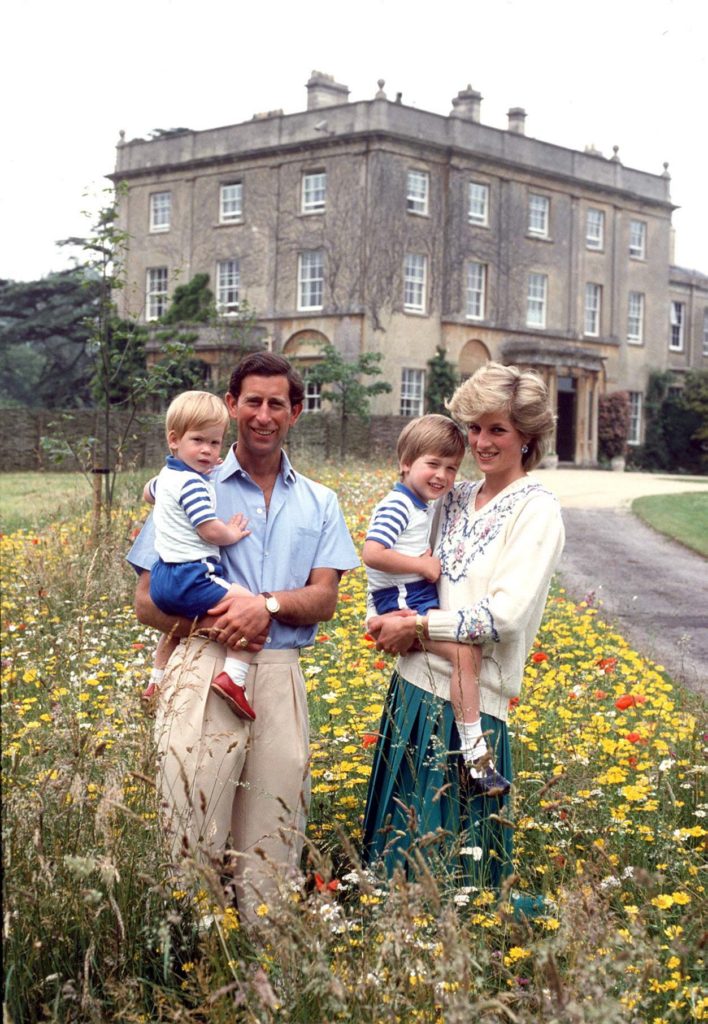
My mom said she vividly remembers when King (then Prince) Charles purchased this property in 1980.
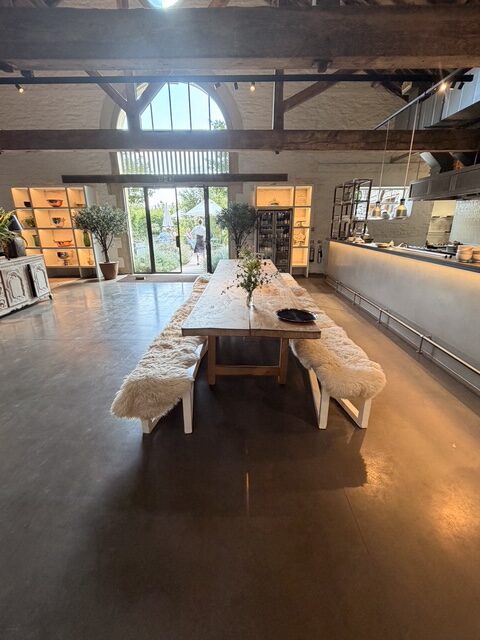
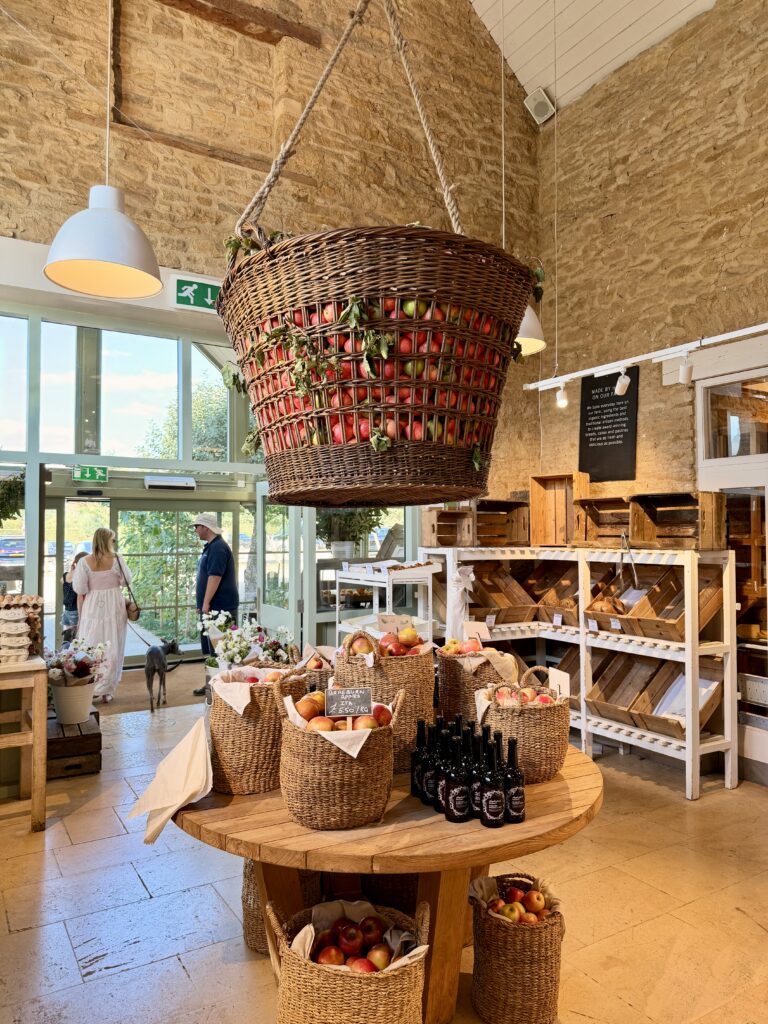
Cotswolds Itinerary 7:00 AM – Early departure from the hotel (Pro tip: ask your concierge the night before for takeaway coffee and pastries for the two hour trip) Private transfer from London to Highgrove Estate near Tetbury in Gloucestershire 9:45 AM -11:15 AM – Private garden tour (book way ahead) After the tour, have tea in the private room and take time to enjoy the shop 12:00 – Depart for Thyme 1:00 – Long lunch at The Ox Barn Walk around the property and enjoy the shop Depart Thyme Stops at: St. Peter’s Church in Southrop (very close to Thyme), Daylesford Organic Farm, nearby villages Head back to London – pub dinner! (Pro tip – we had our driver drop us off at dinner and take our bags back to the hotel so we didn’t have to carry them around.)
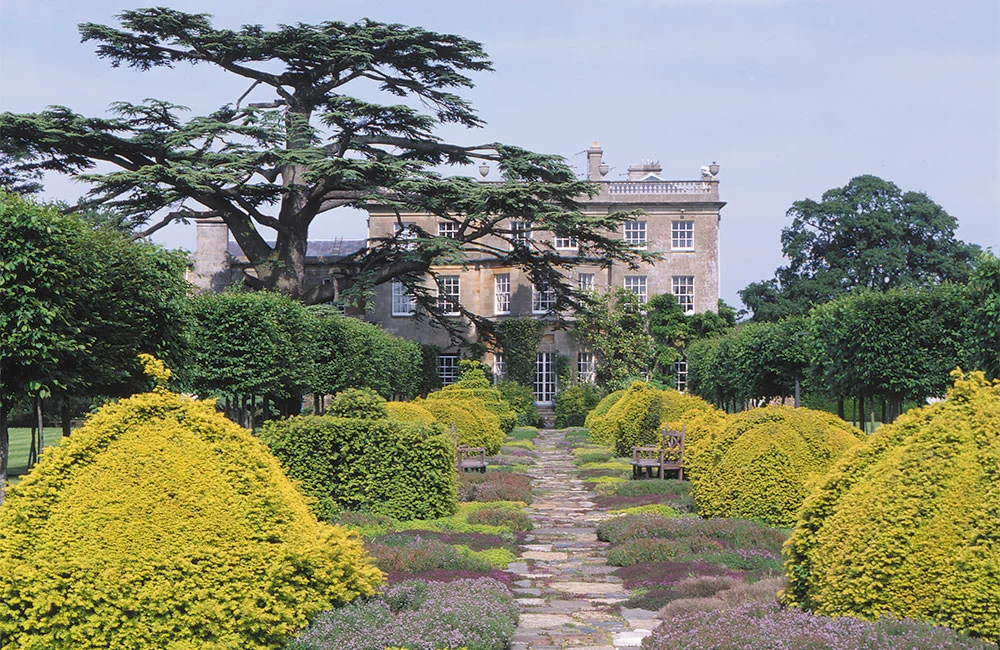
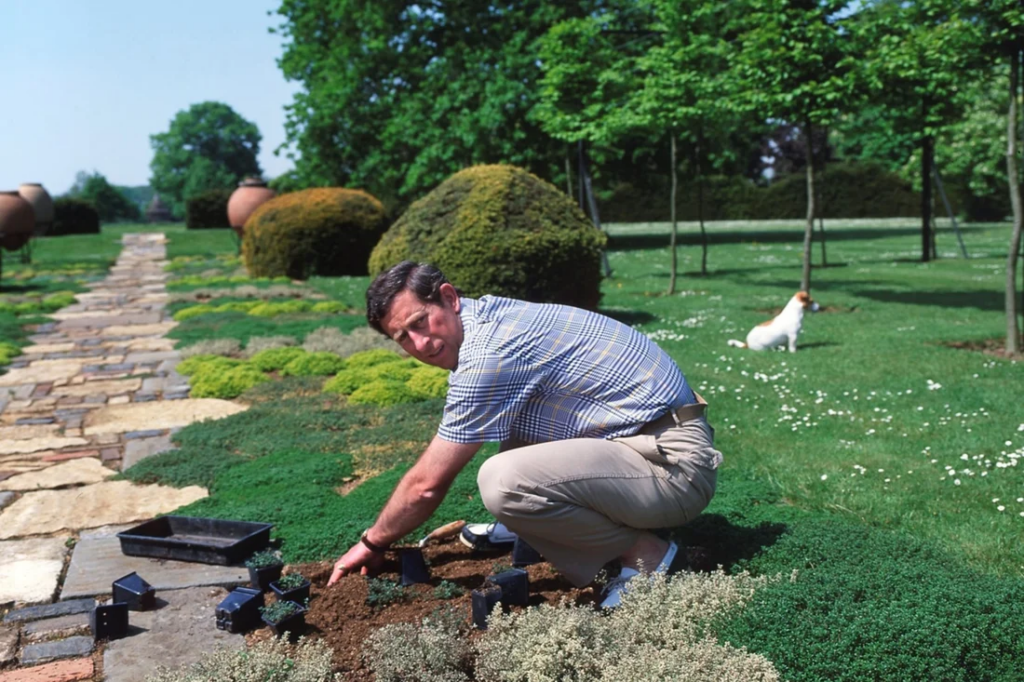
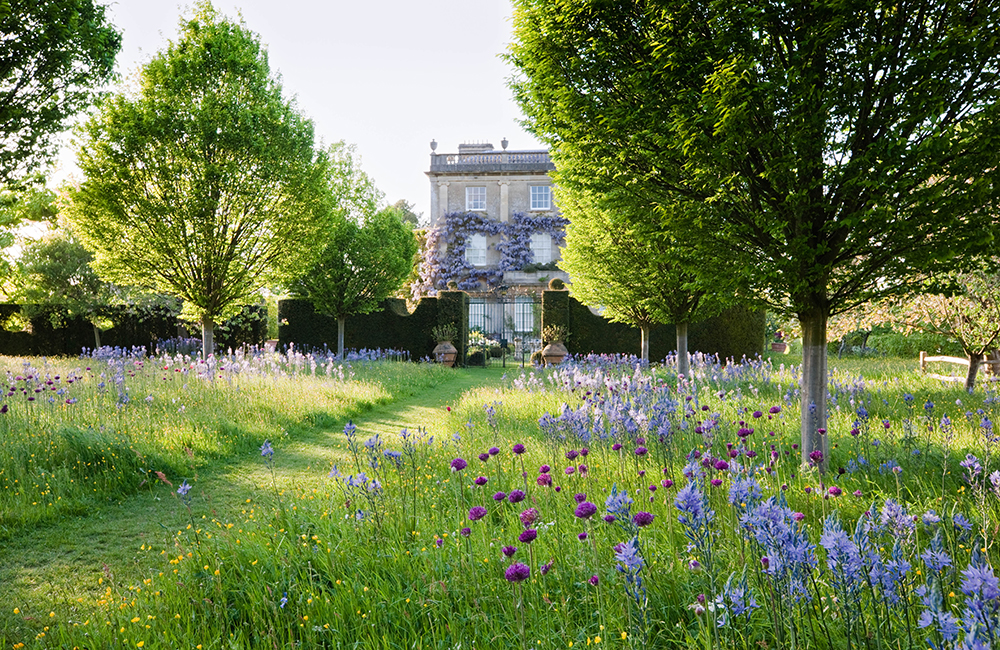
HIGHGROVE ESTATE HISTORY His Majesty King Charles III came to Highgrove in 1980, and the house and gardens have since undergone many thoughtful innovations. When His Majesty first arrived, Highgrove possessed little more than a neglected kitchen garden, an overgrown copse, some pastureland, and a few hollow oaks. Today, after the hard work of many people, an interlinked series of gardens now unfolds in a succession of personal and inspiring tableaux, each reflecting HM The King’s interests and enthusiasms. Highgrove now welcomes up to 40,000 visitors a year. Above all, Highgrove is the family home of Their Majesties King Charles III and Queen Camilla.
Highgrove is the private residence of Their Majesties King Charles III and Queen Camilla, near Tetbury in Gloucestershire. Since 1980, when His Majesty The King first arrived at Highgrove, he has devoted much energy to transforming the gardens around the house, which are renowned as some of the most inspiring and innovative in the United Kingdom.
The Orchard Room restaurant next to the main entrance.
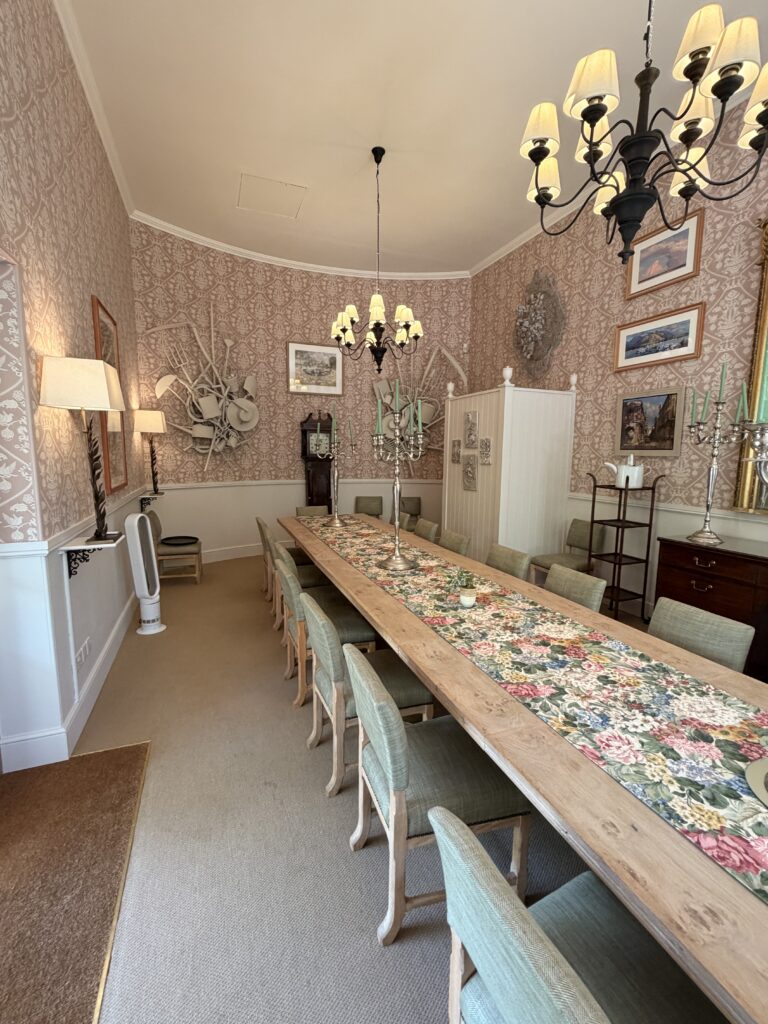
This is the private tea room off to the side of the restaurant. Filming and photography is not allowed at Highgrove except in the lobby, tea room and gift shop.
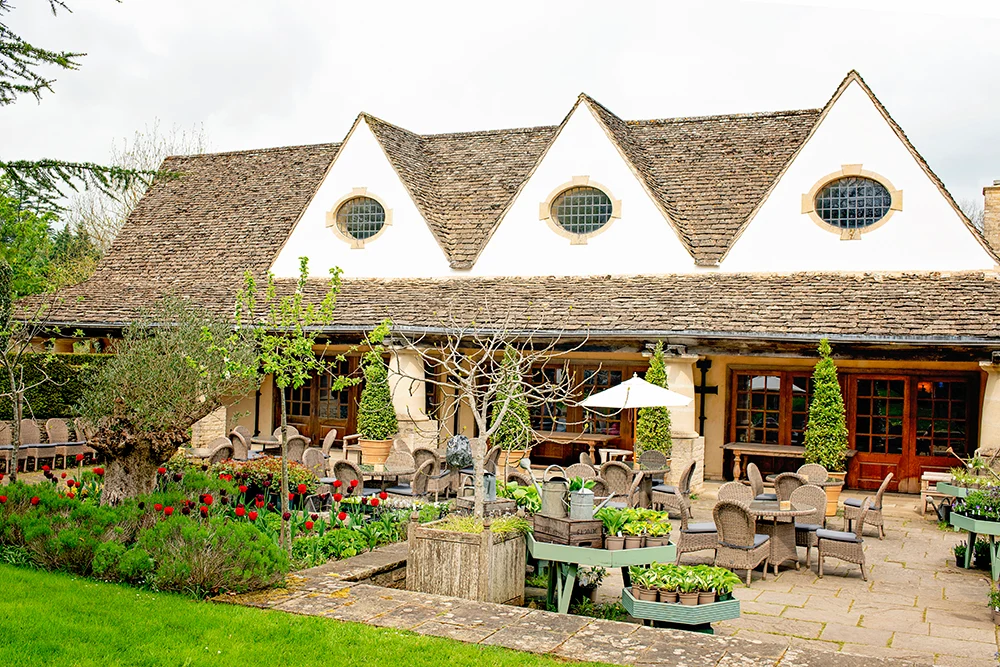
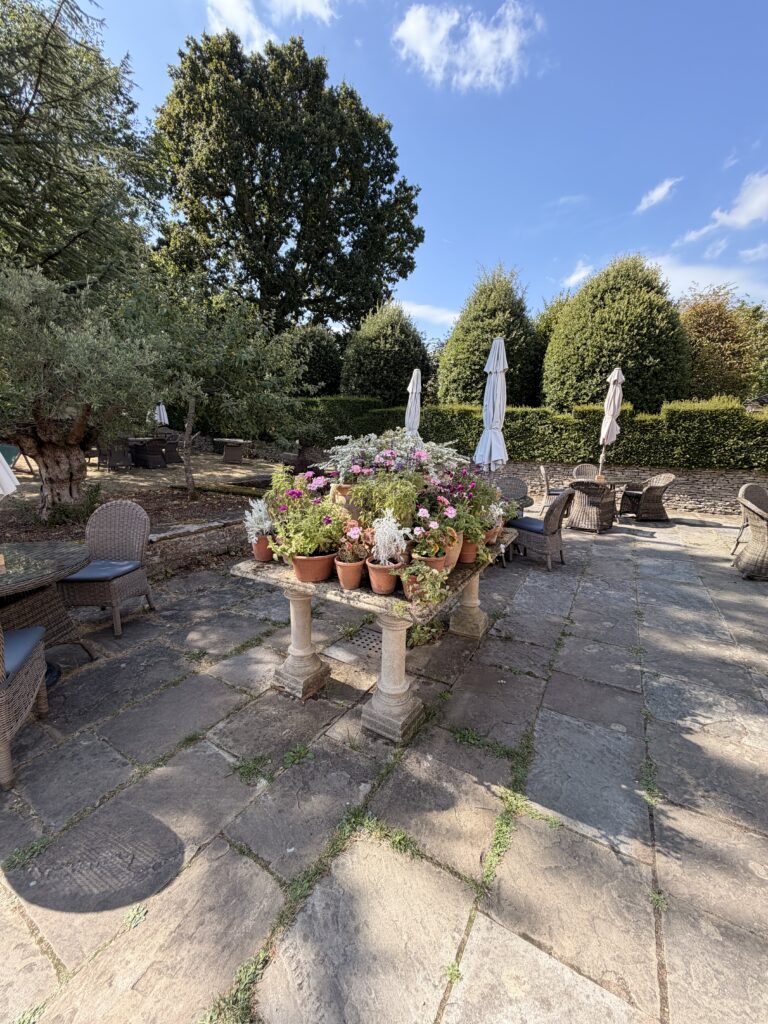
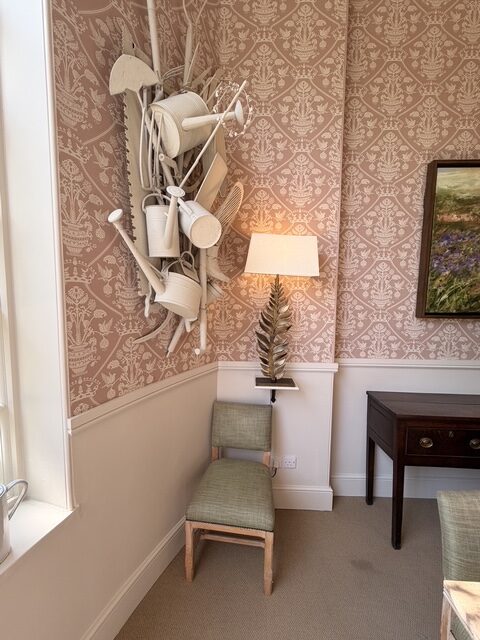
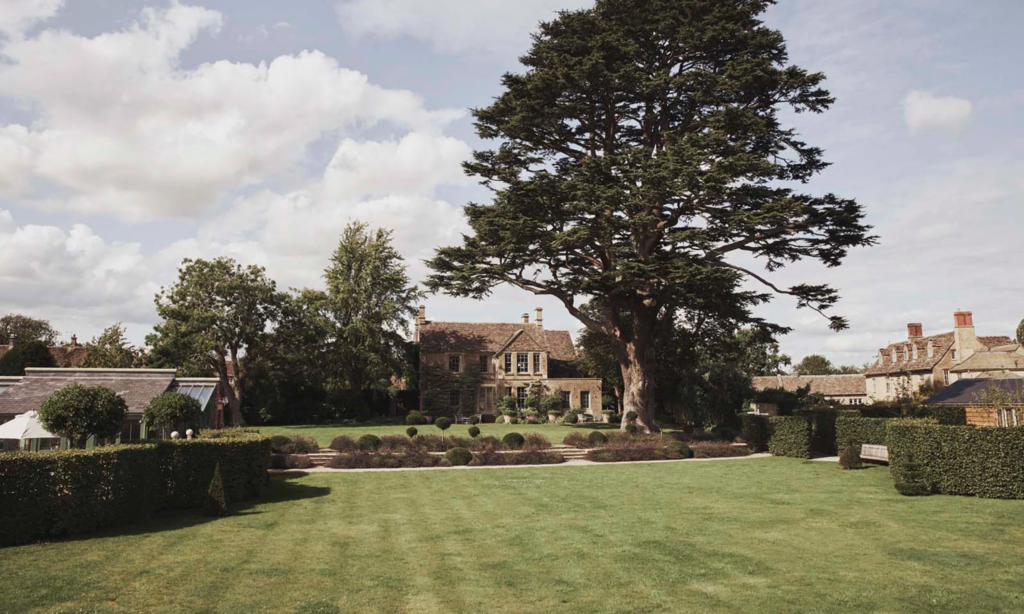
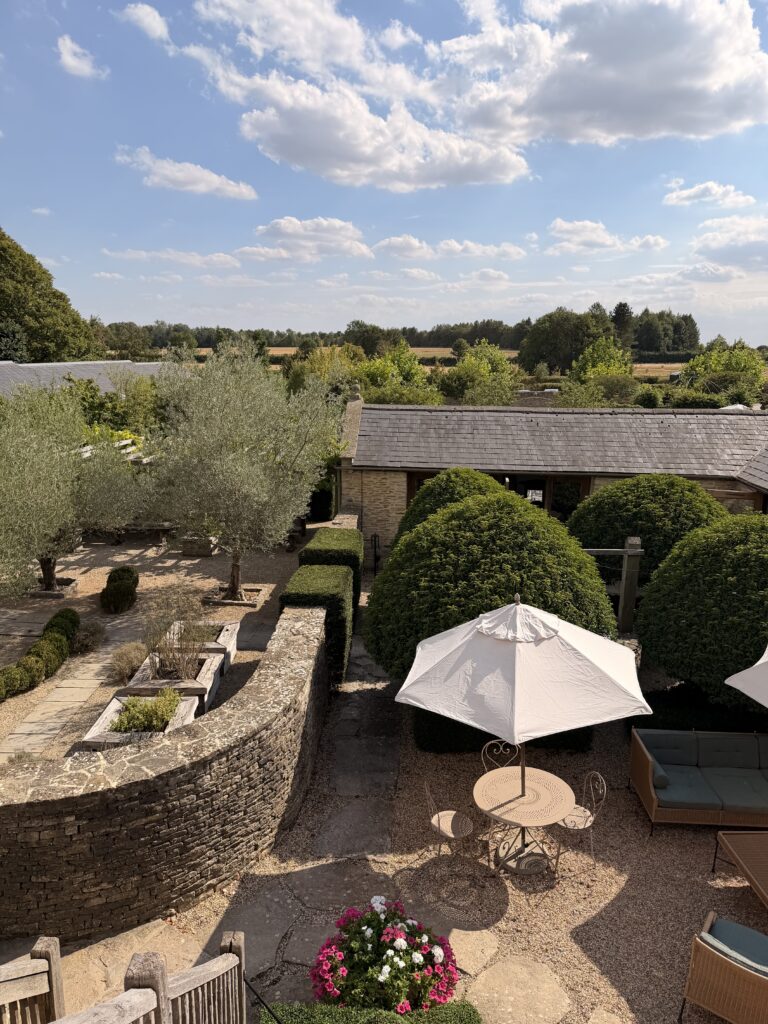
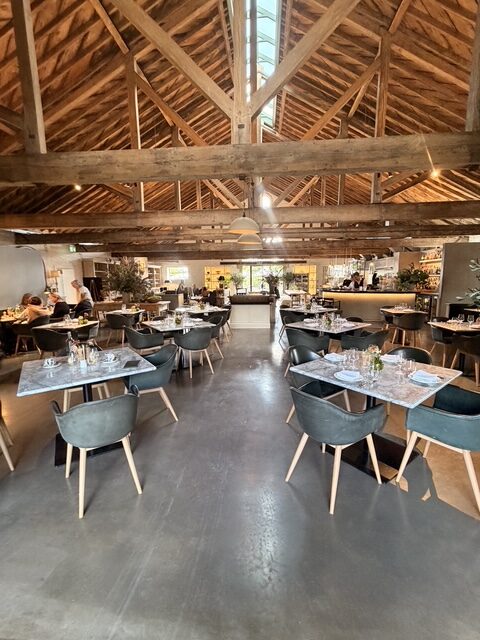
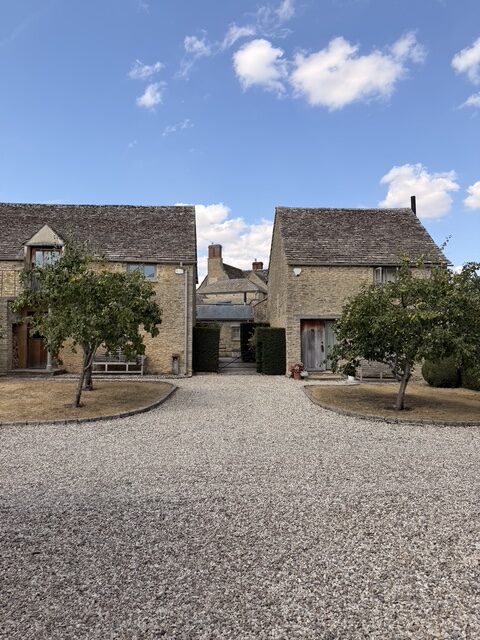
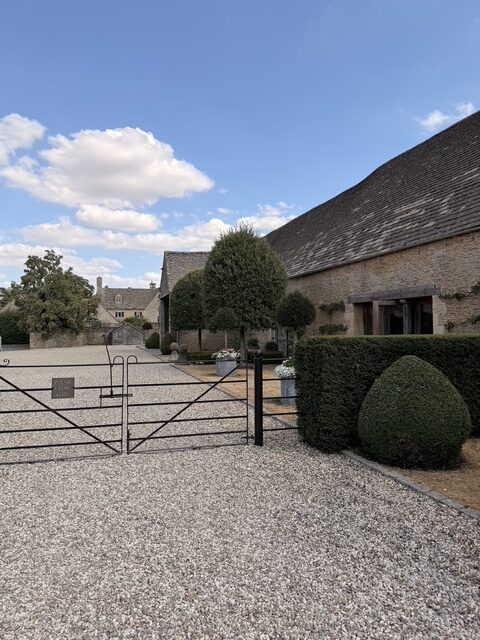
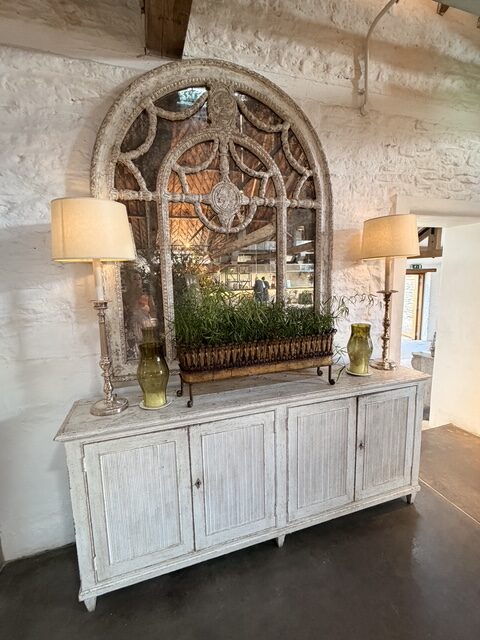
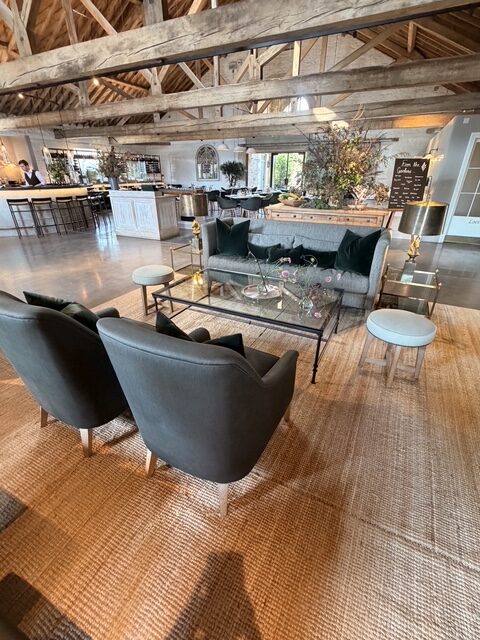
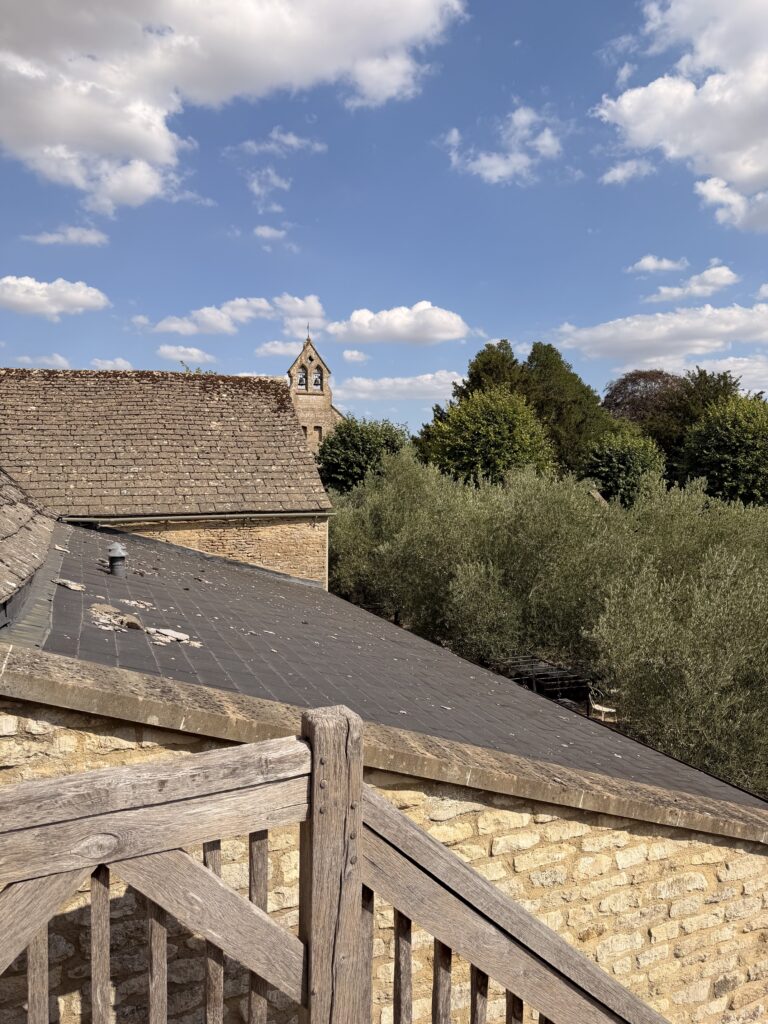
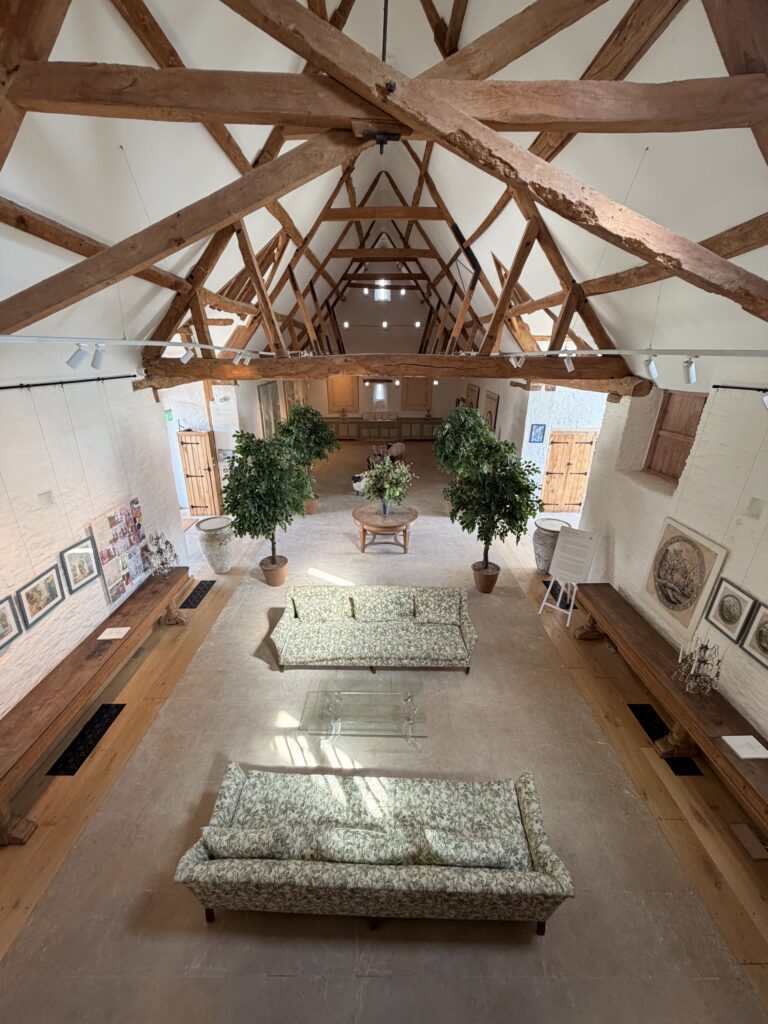
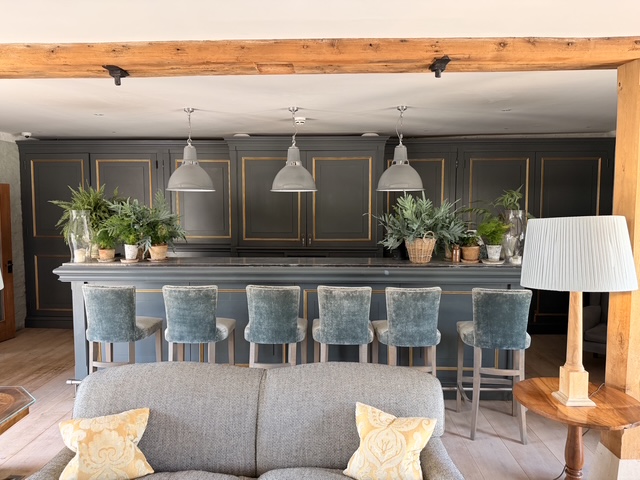
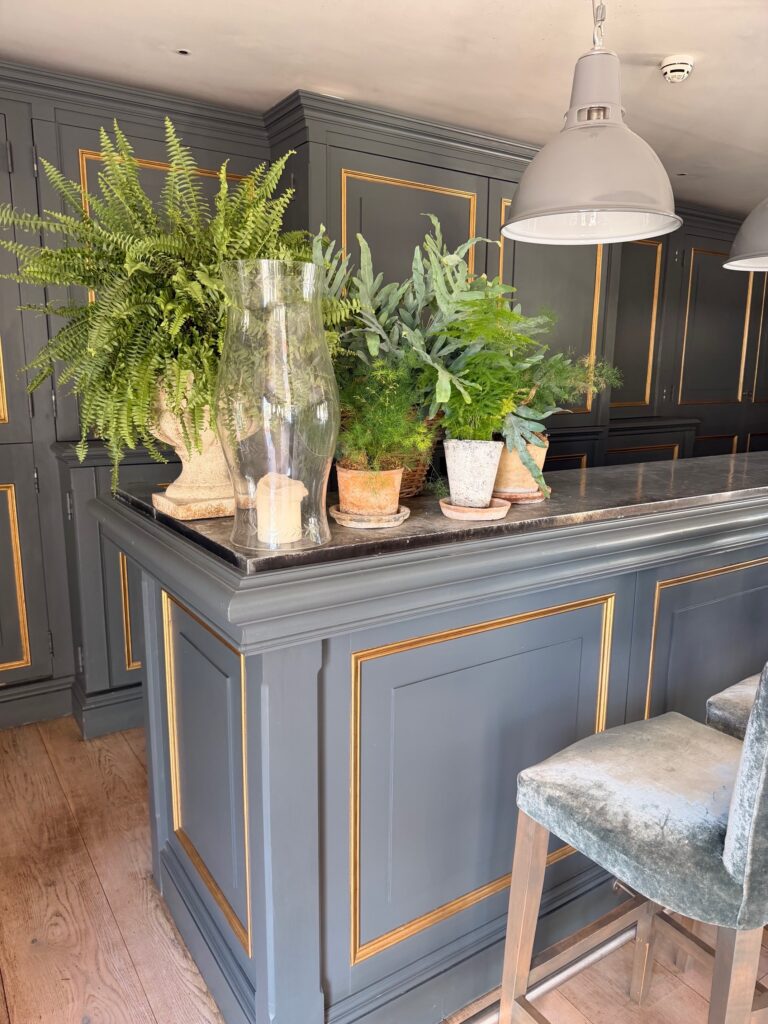
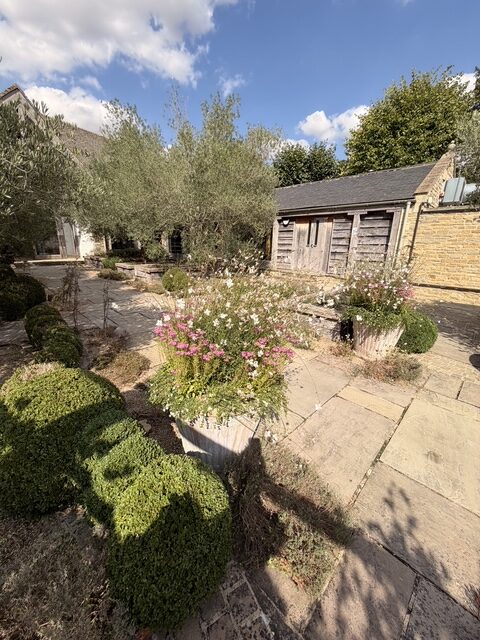
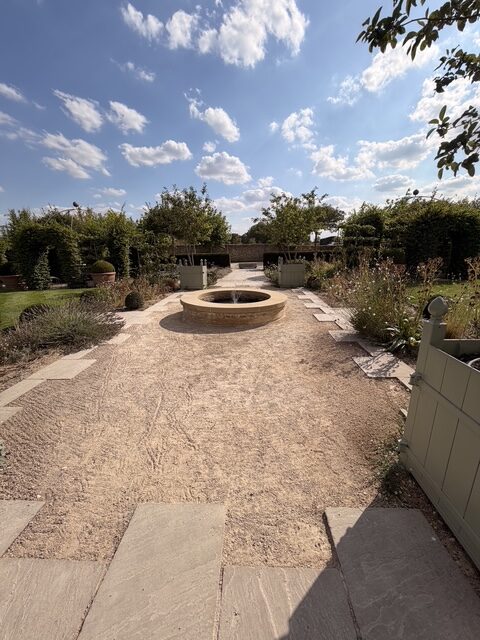
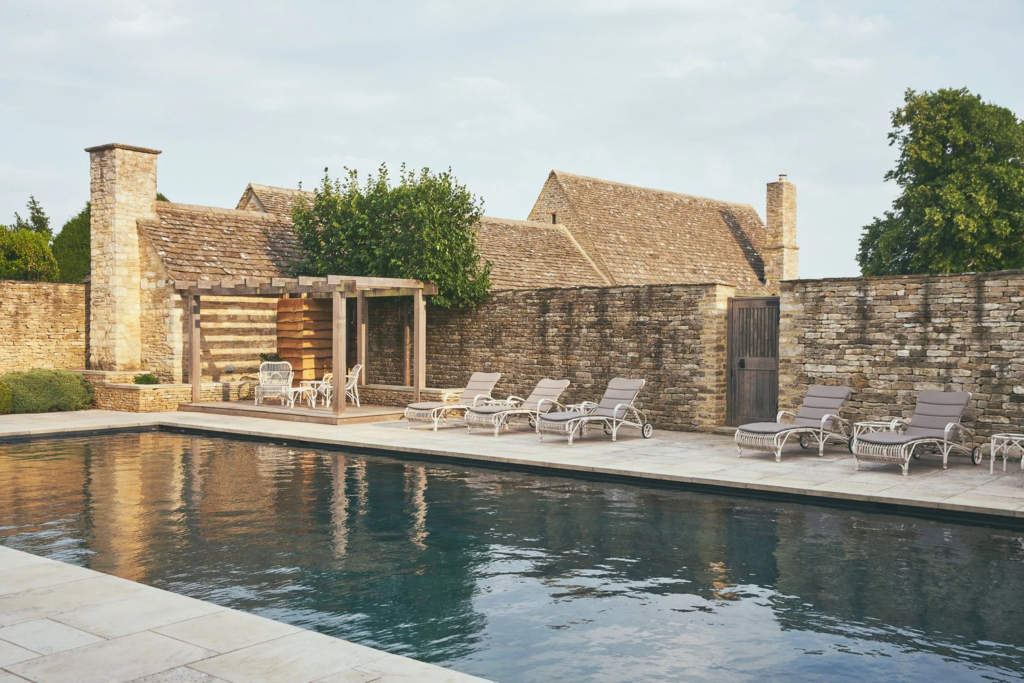
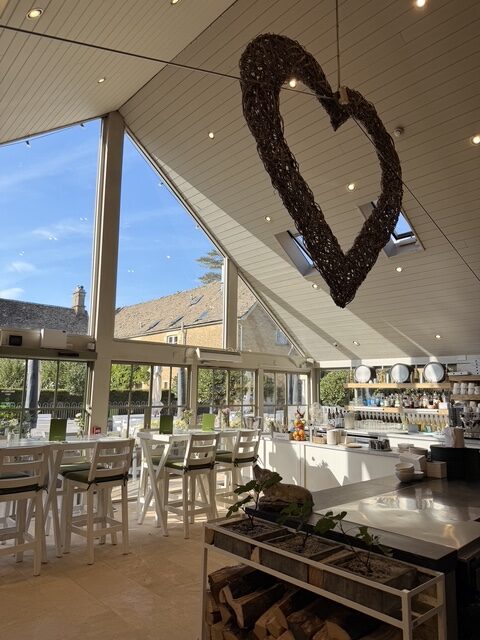
Thyme is a historic English country estate. Winding gravel pathways connect 17th century houses and cottages with meticulously-restored agricultural barns, all enveloped in a pristine 150-acre estate.
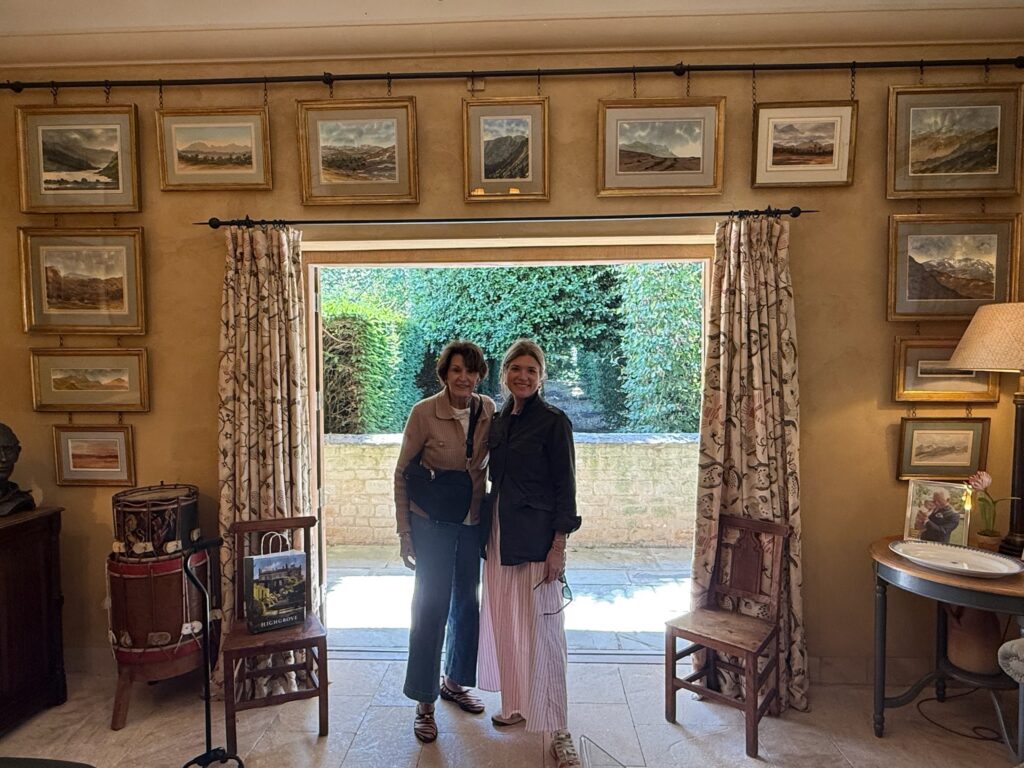
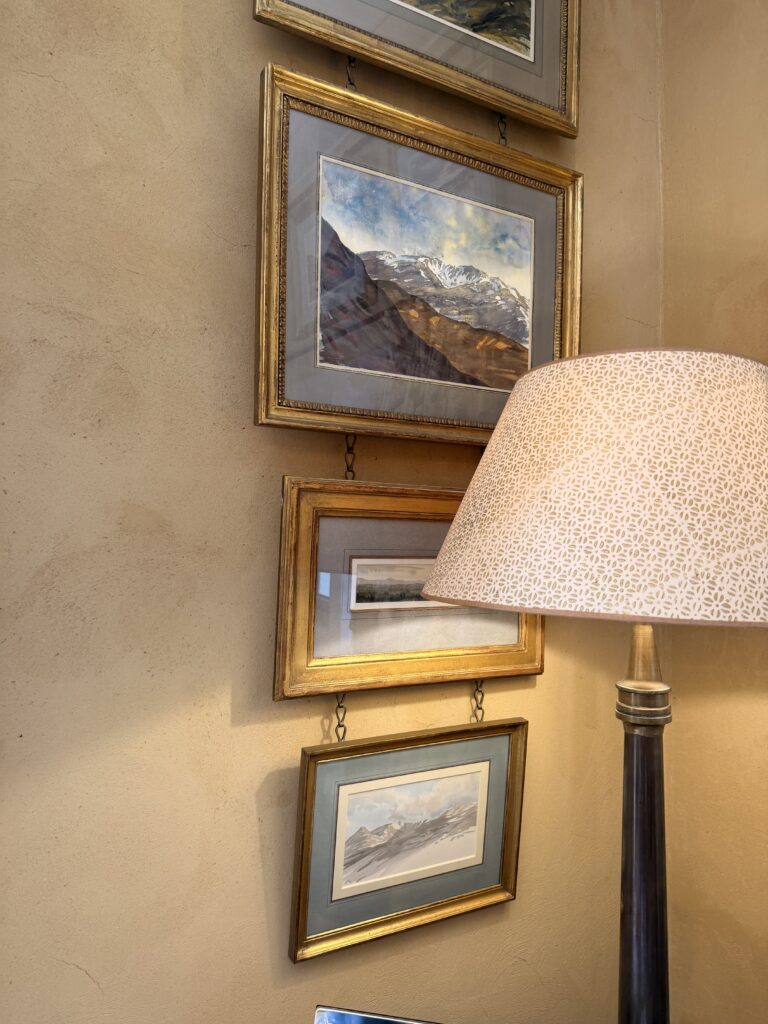
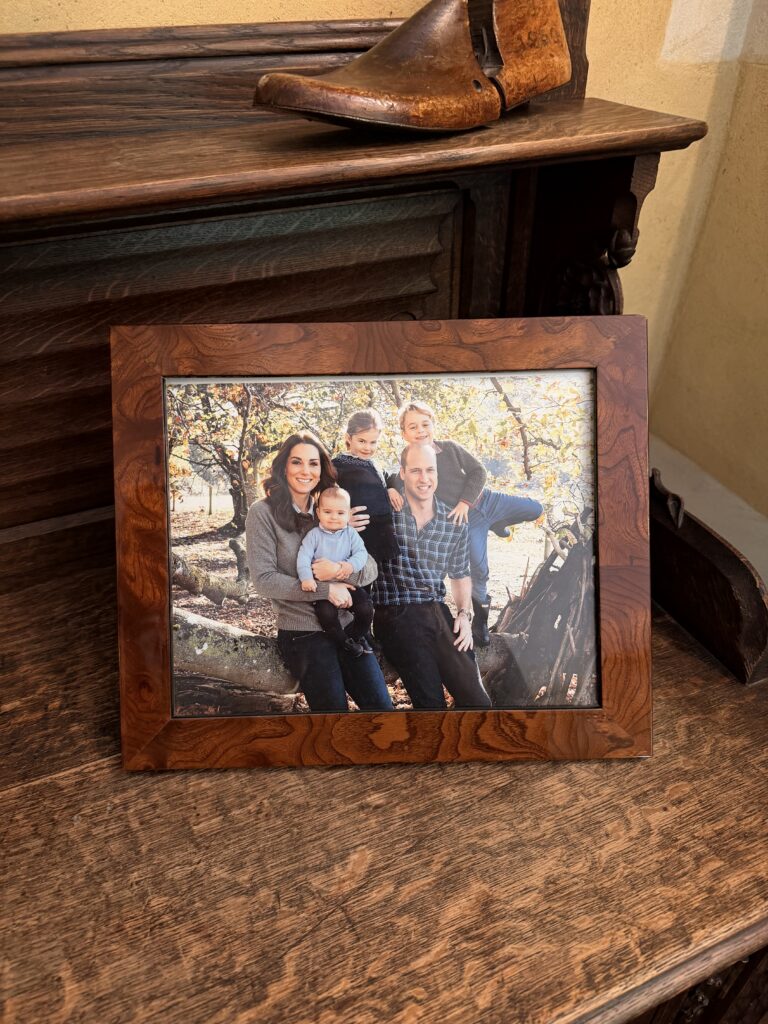
King Charles’ paintings and personal family photos are in the lobby of Highgrove
Family photos in the welcome area. 🙂
HIGHGROVE ESTATE HISTORY His Majesty King Charles III came to Highgrove in 1980, and the house and gardens have since undergone many thoughtful innovations. When His Majesty first arrived, Highgrove possessed little more than a neglected kitchen garden, an overgrown copse, some pastureland, and a few hollow oaks. Today, after the hard work of many people, an interlinked series of gardens now unfolds in a succession of personal and inspiring tableaux, each reflecting HM The King’s interests and enthusiasms. Highgrove now welcomes up to 40,000 visitors a year. Above all, Highgrove is the family home of Their Majesties King Charles III and Queen Camilla.
“Thyme is a historic English country estate. Winding gravel pathways connect 17th century houses and cottages with meticulously-restored agricultural barns, all enveloped in a pristine 150-acre estate.”
History of Thyme
“Thyme is a restored Cotswold manor and farm. It is a family story where a passion for the land, food and entertaining merges with a love of local heritage, beauty and conservation. We took time to make Thyme. Working with the historic buildings and the land that surrounds them, we have created a thoughtful place with love and attention lavished on every detail. We hope you will experience a real connection to the land, the seasons and to nature, and we invite you to rest, relax and enjoy this English country idyll that our family call home.” – Caryn Hibbert, Founder & Creative Director.
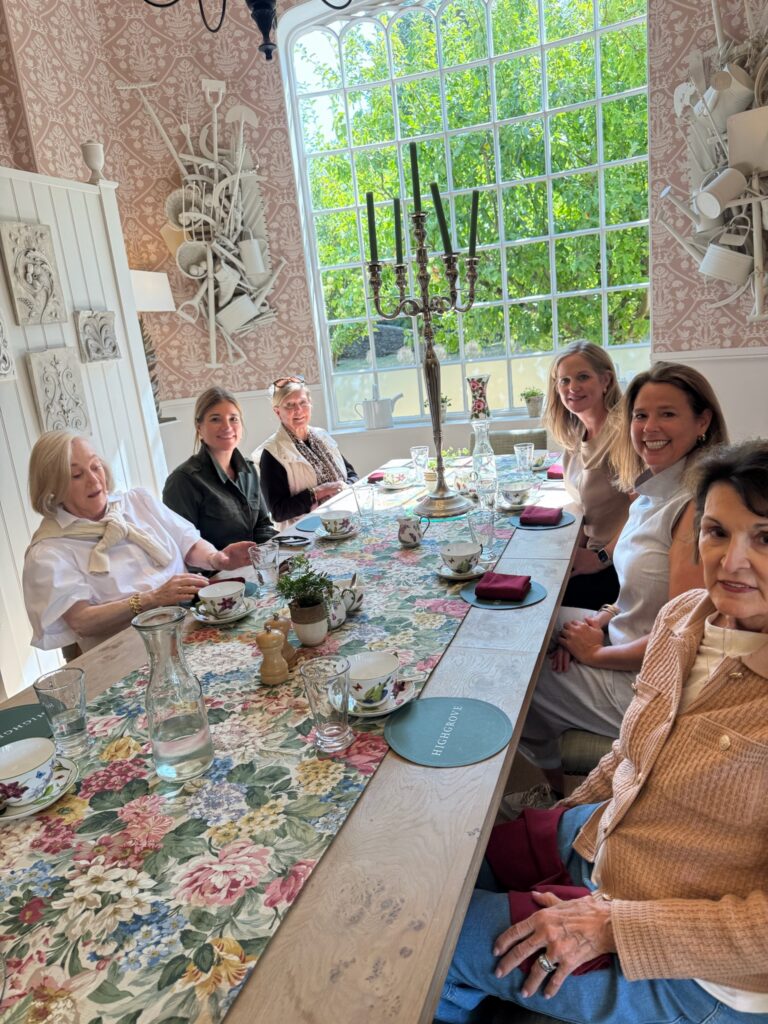
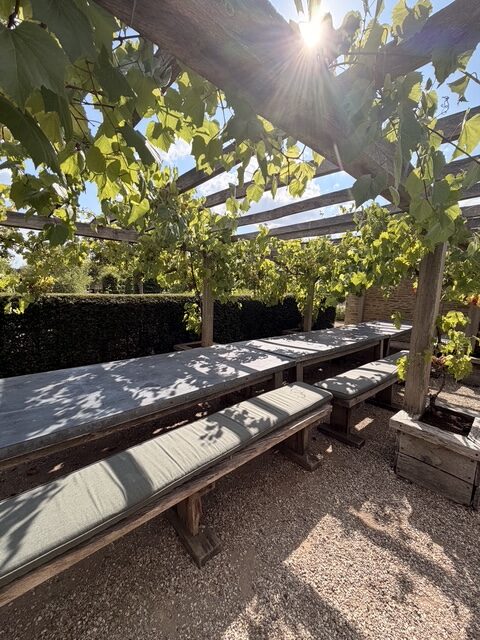
Welcome to British countryside paradise.
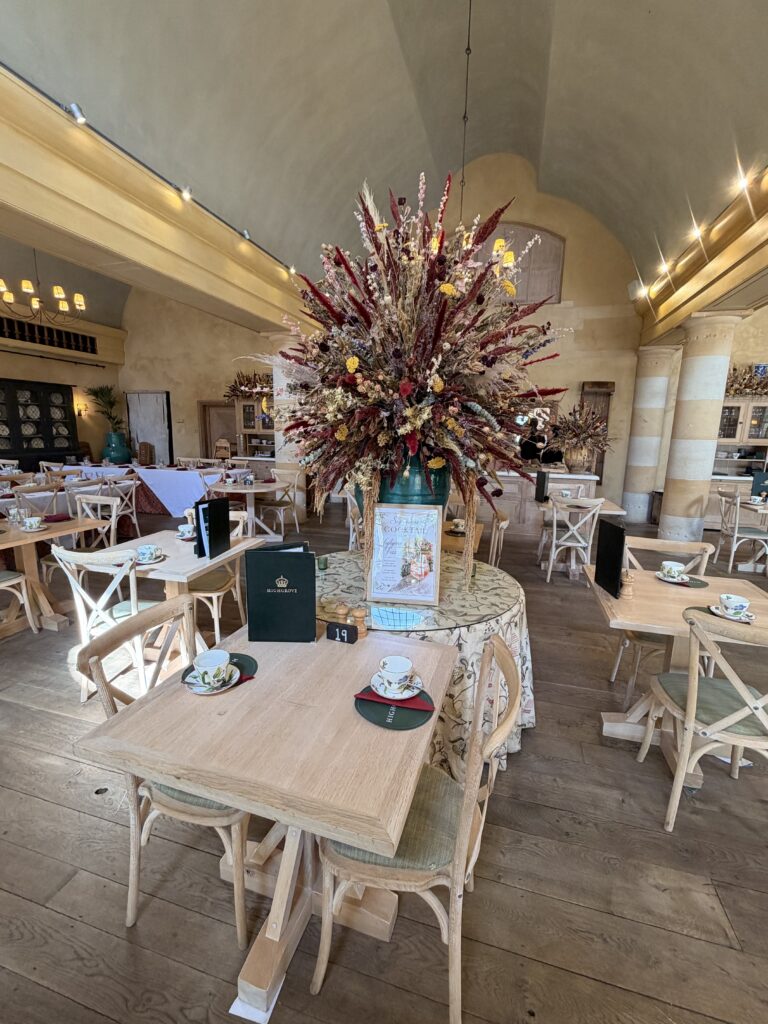
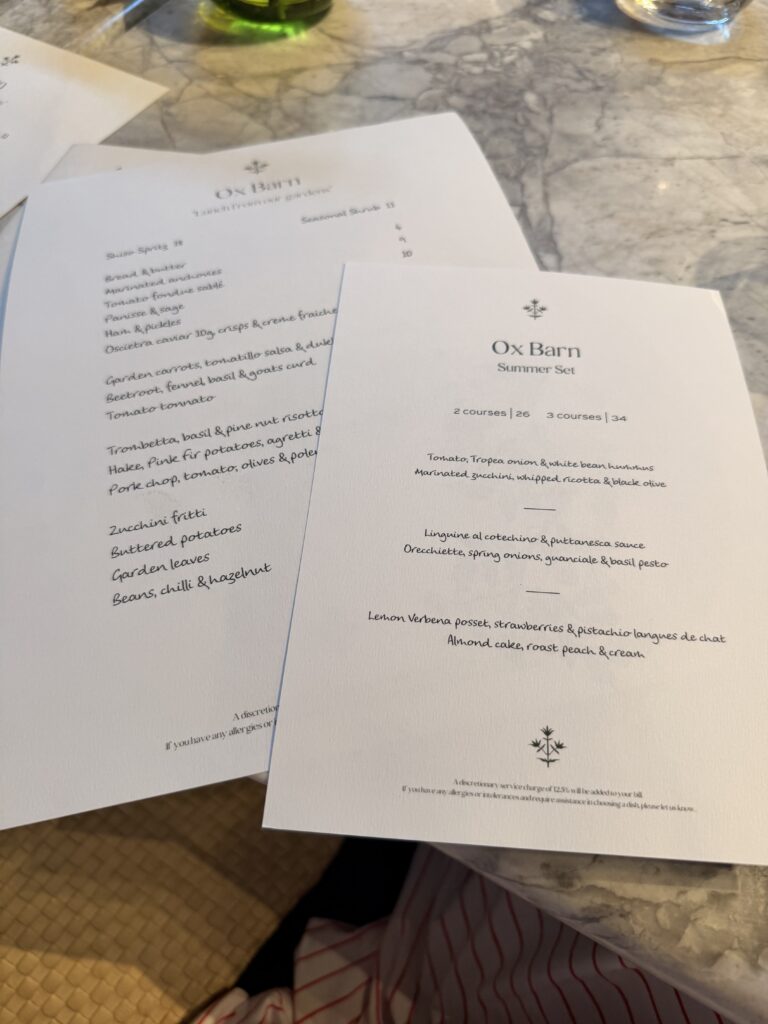
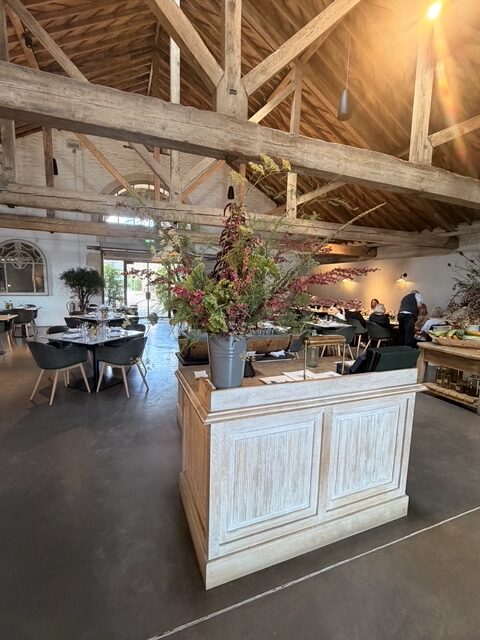
The food was so fresh and delicious. Also had a nice cold beer which I thoroughly enjoyed.
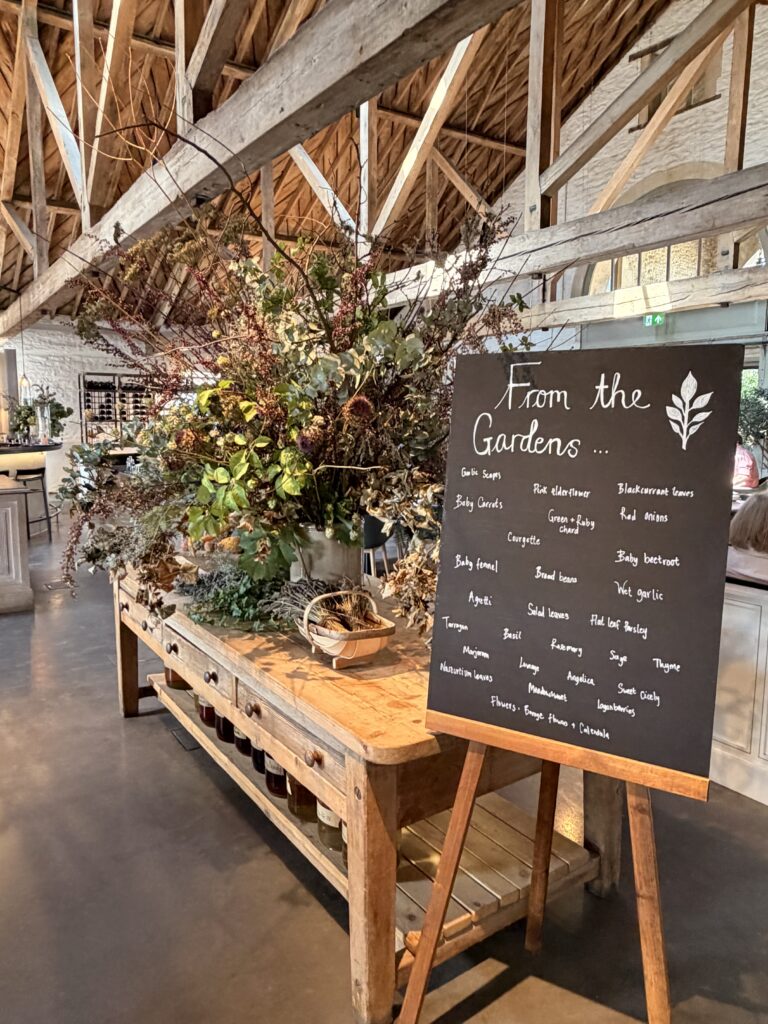
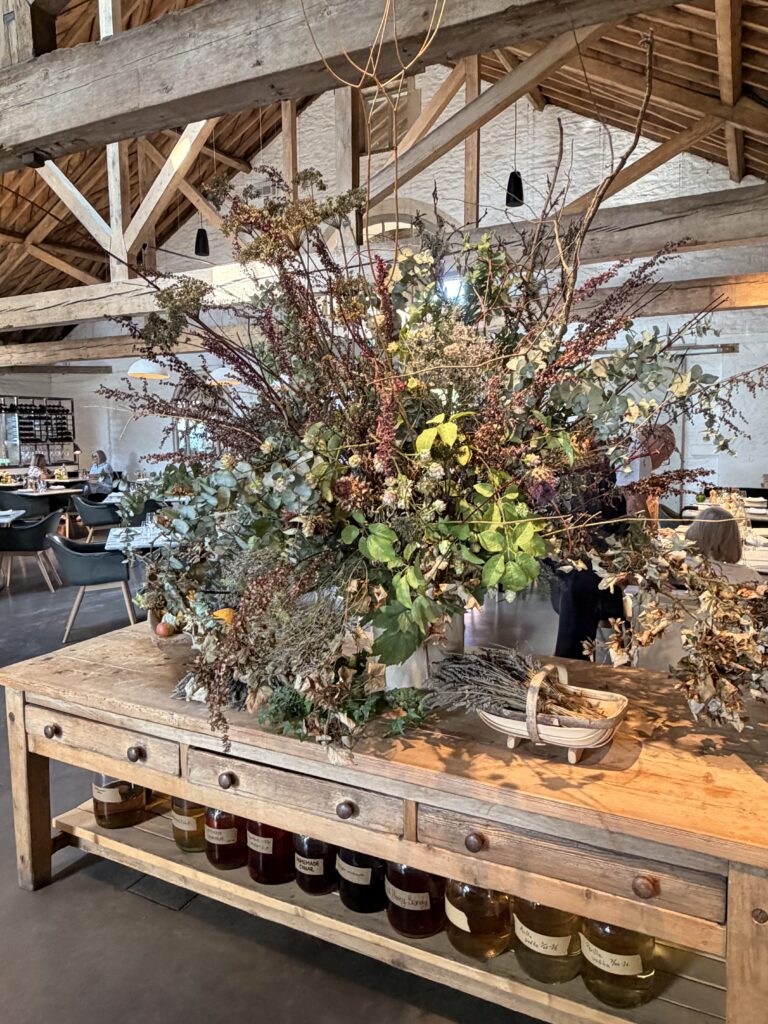
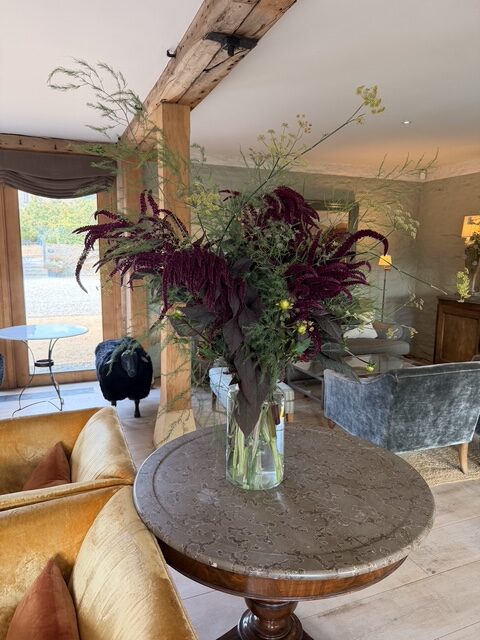
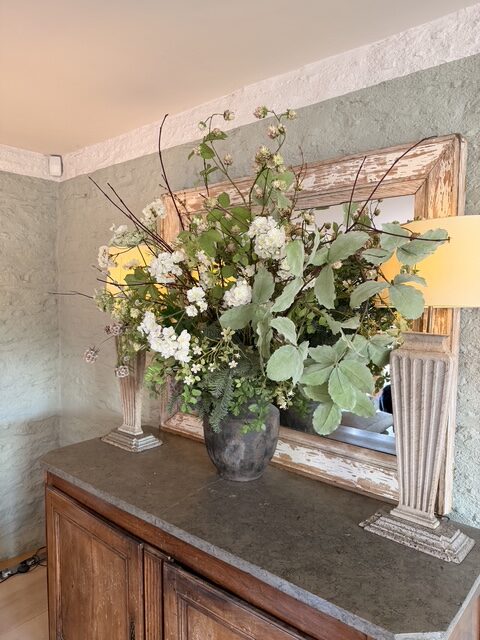
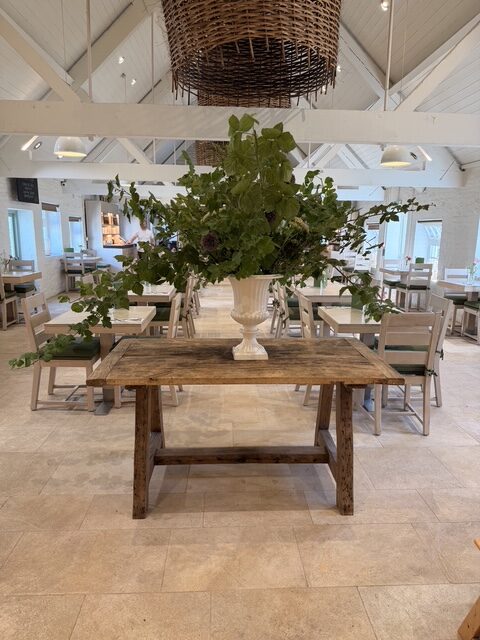
A photo does not do this incredible flower arrangement any justice. It was breathtaking.
The estate dates from Roman times but is first clearly defined in the Domesday Book of 1086. The Manor House remains a private home and sits on the eastern side of its ancient Norman church. To the west of the church lie the manorial barns, houses and cottages which are at the heart of this medieval estate. After three centuries of French baronial ownership following the Norman Conquest of 1066, the estate became the property of the Dean and Chapter of the new Collegiate Church of St. Mary in Leicester which turned it into a monastery. It remained church property until the Dissolution in the 16th century. It then passed into the ownership of Sir Robert Cecil, Elizabeth I’s Secretary of State, before being acquired by Nicholas Wadham in 1608. His wife Dorothy founded the Oxford college in her husband’s name upon his demise – the first woman not of noble birth to do so. She gifted the entire estate in her will to the new Wadham College, which eventually sold its interest in 1926. Caryn & Jerry Hibbert moved into Southrop Manor in 2002, and soon after acquired the derelict farm buildings that sat adjacent to their new home.
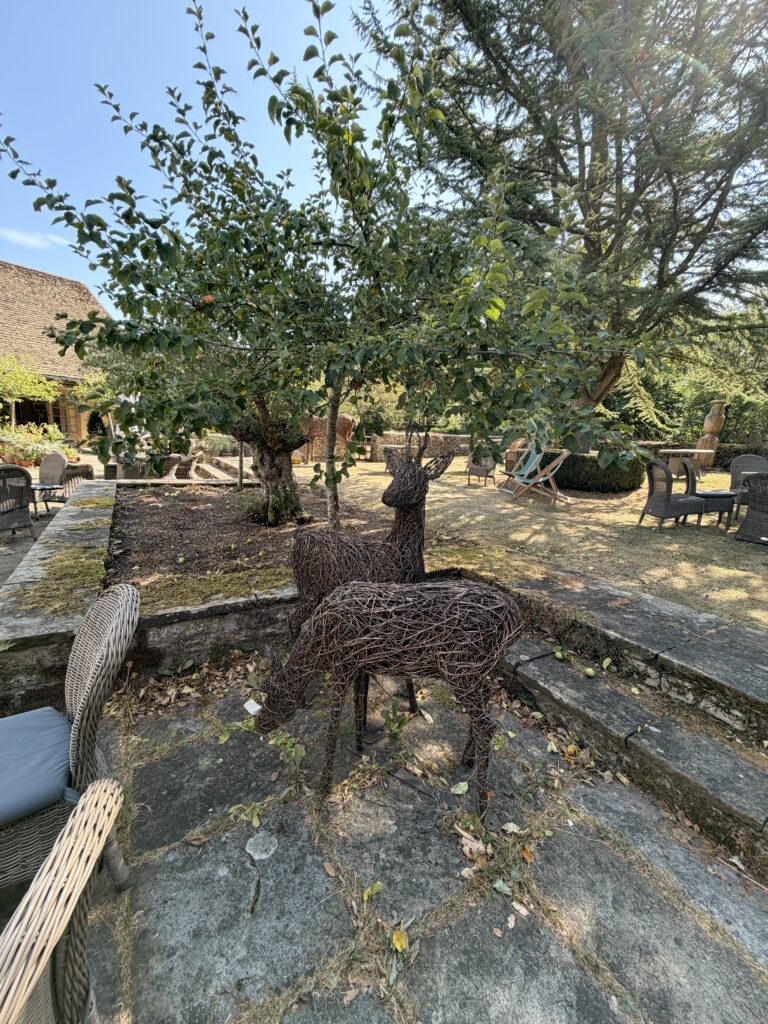
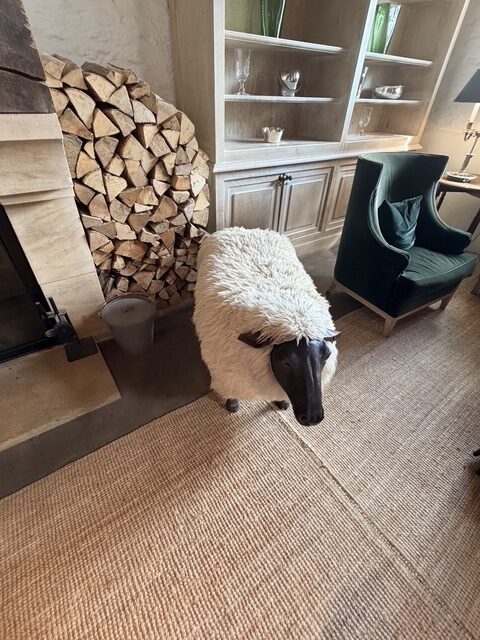
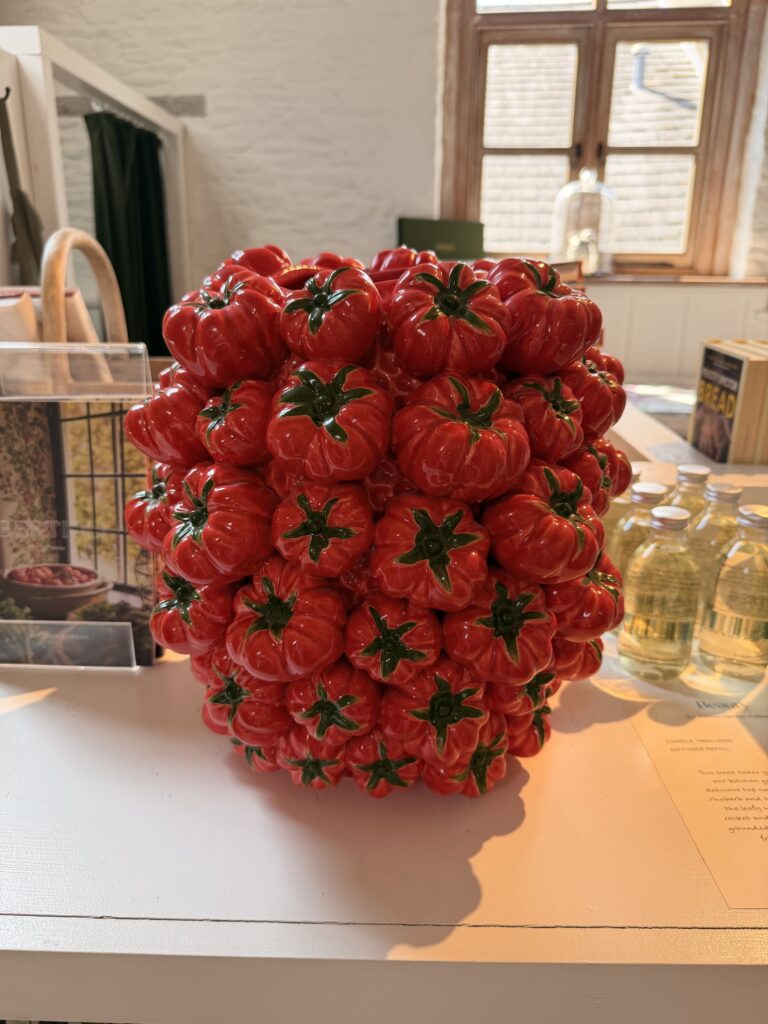
These guys are everywhere.
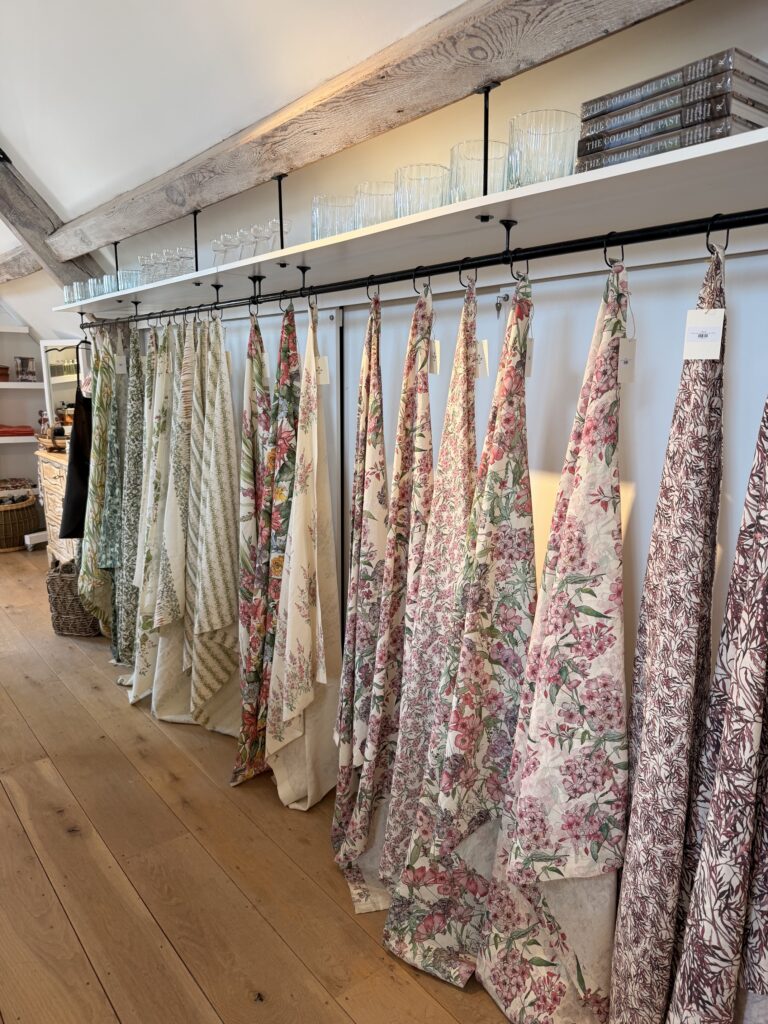
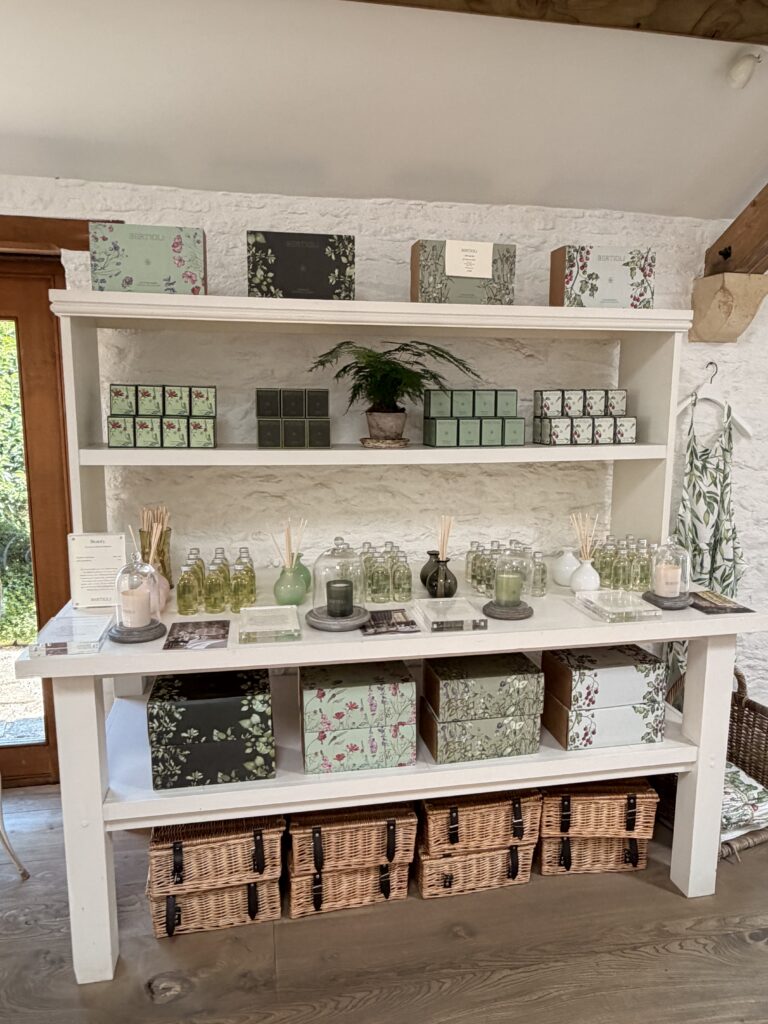
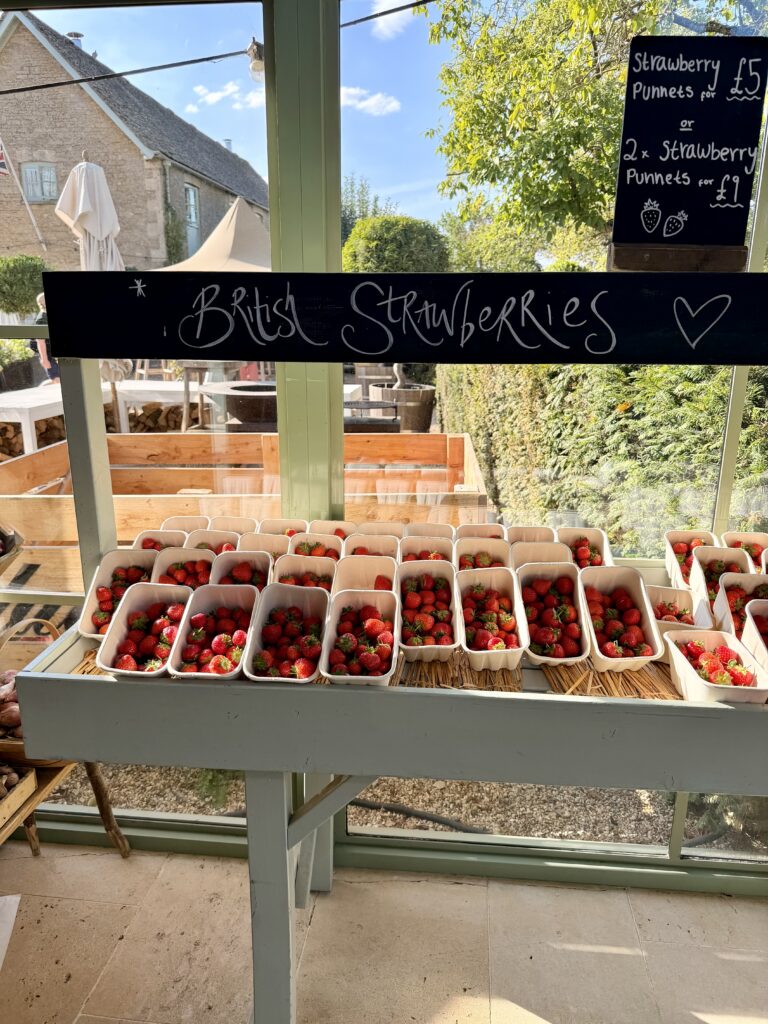
The hotel shop is so cute.
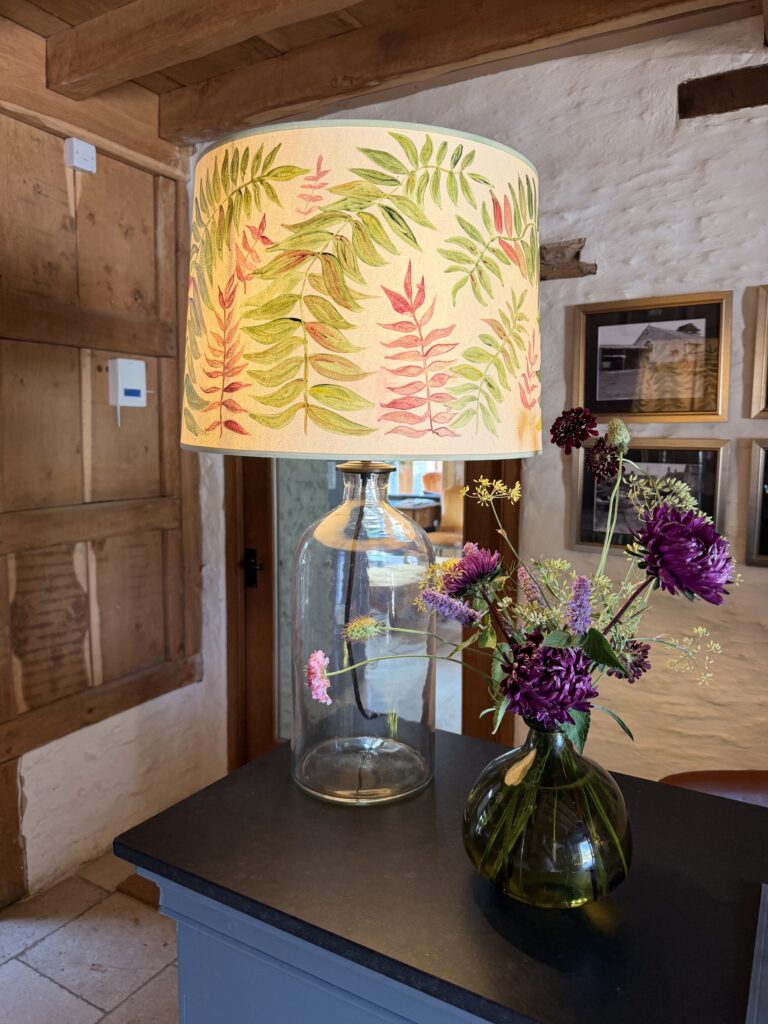
The flowers throughout the hotel are exquisite.
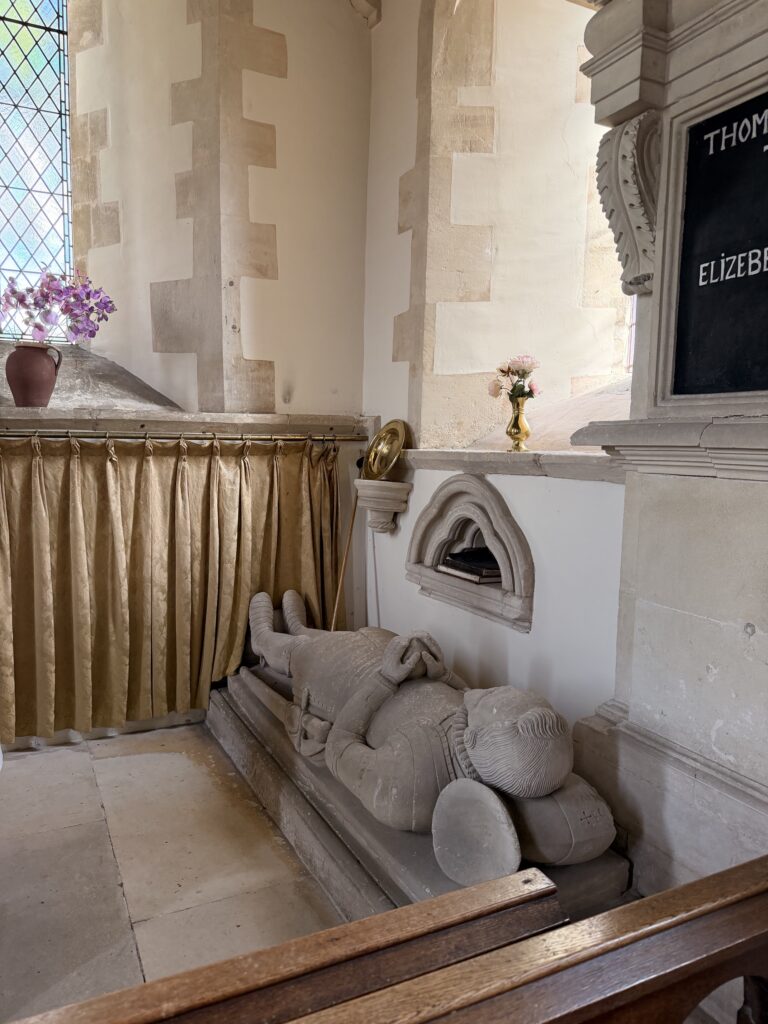
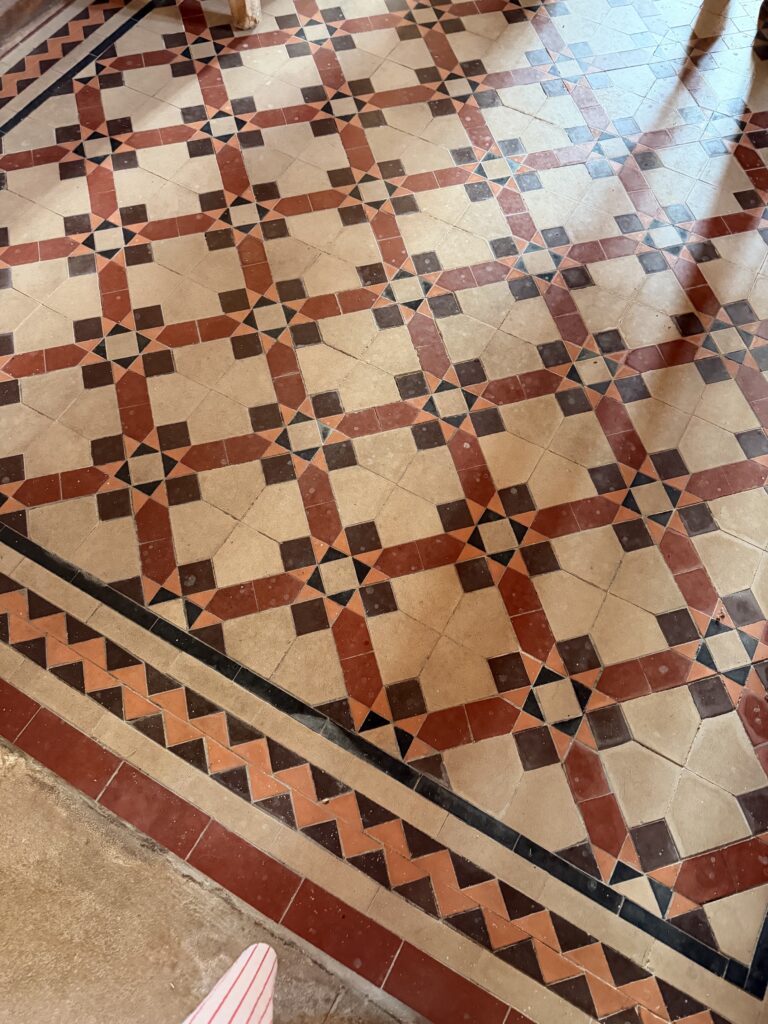
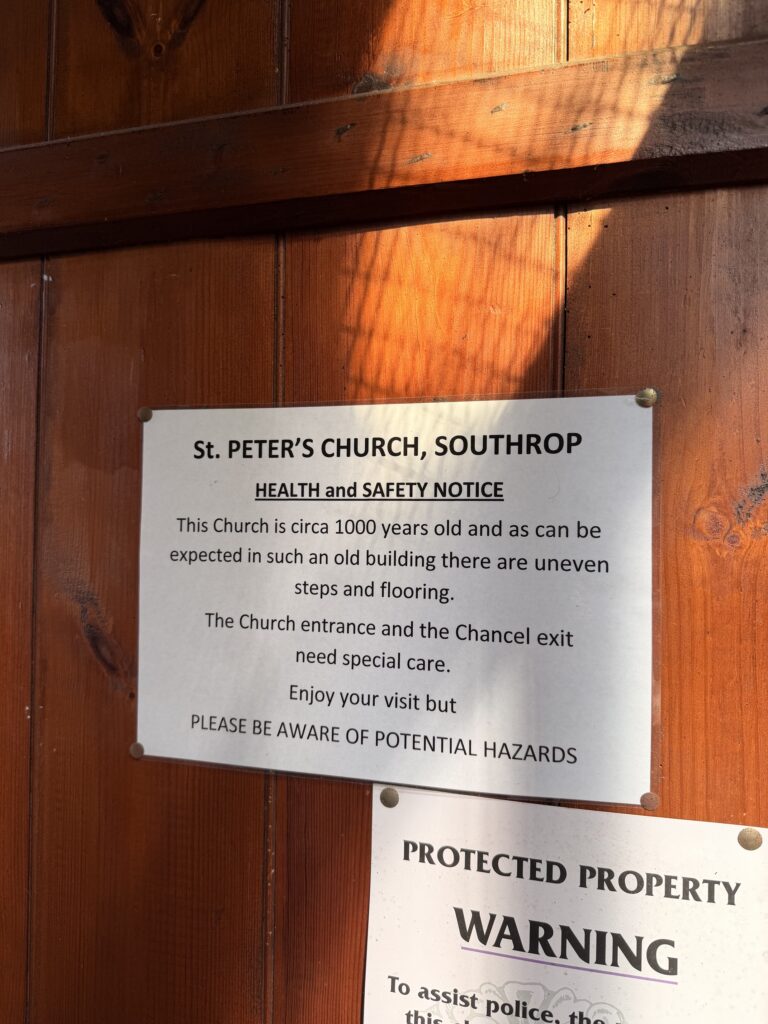
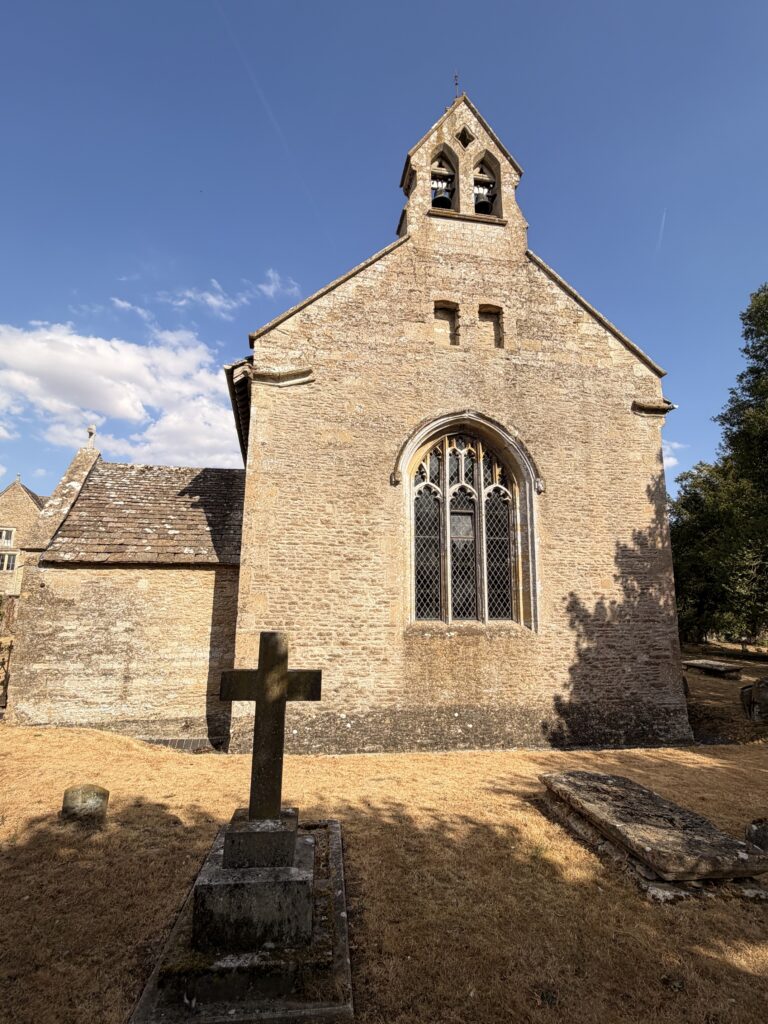
St. Peter’s, Southrop
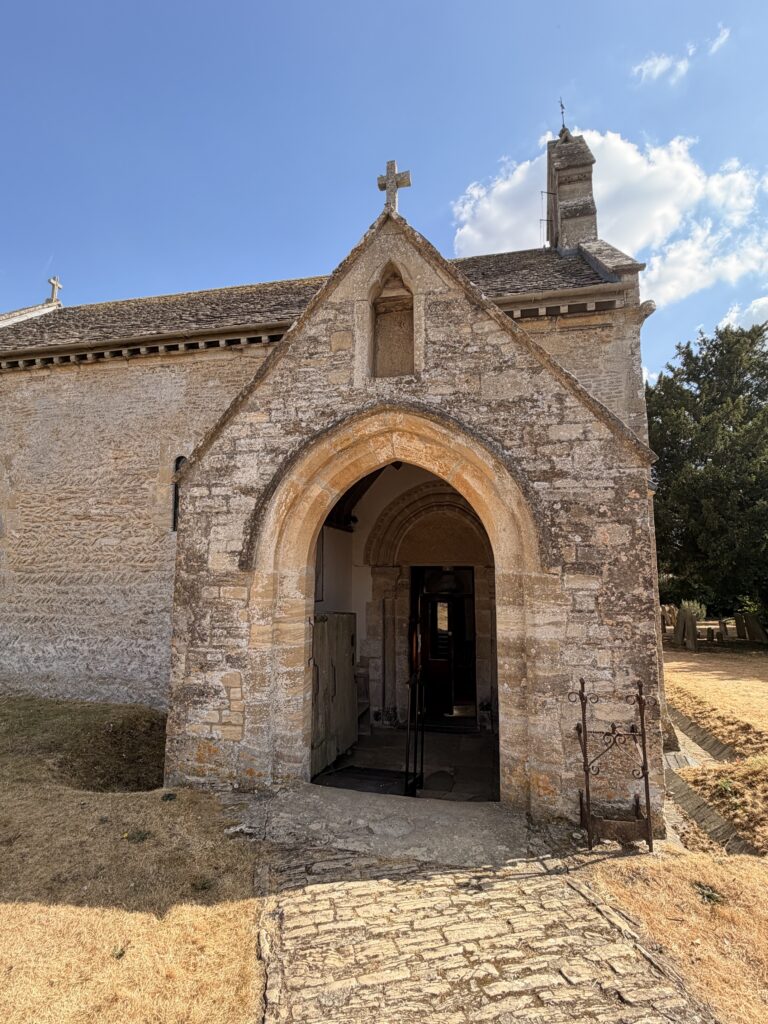
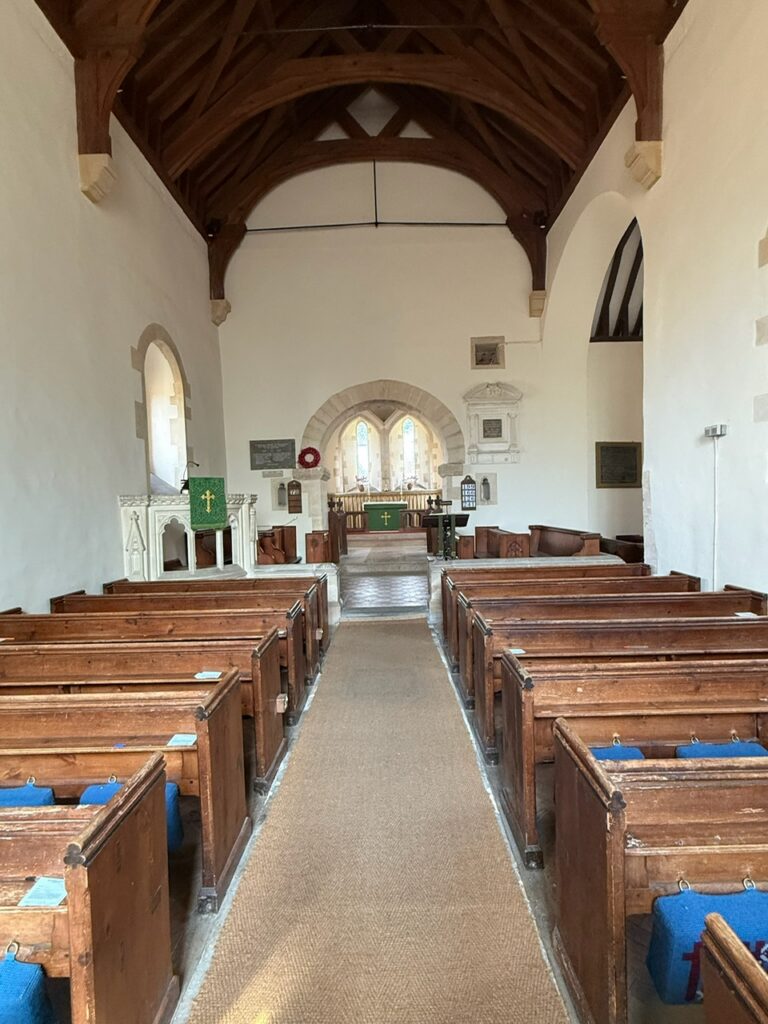
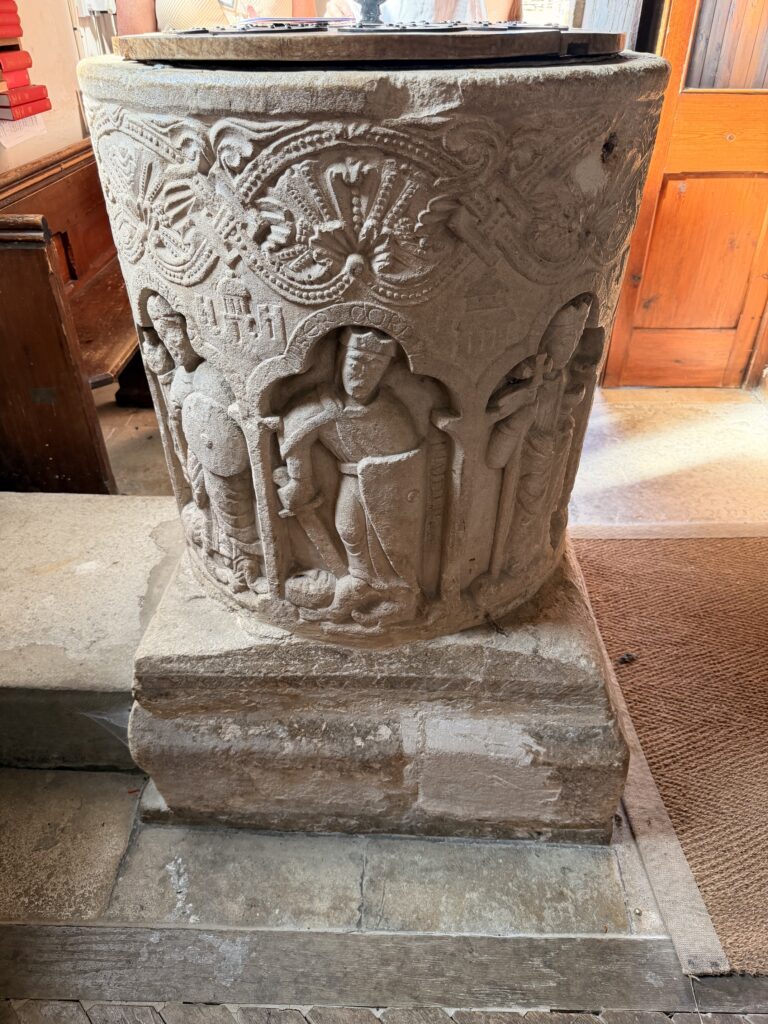
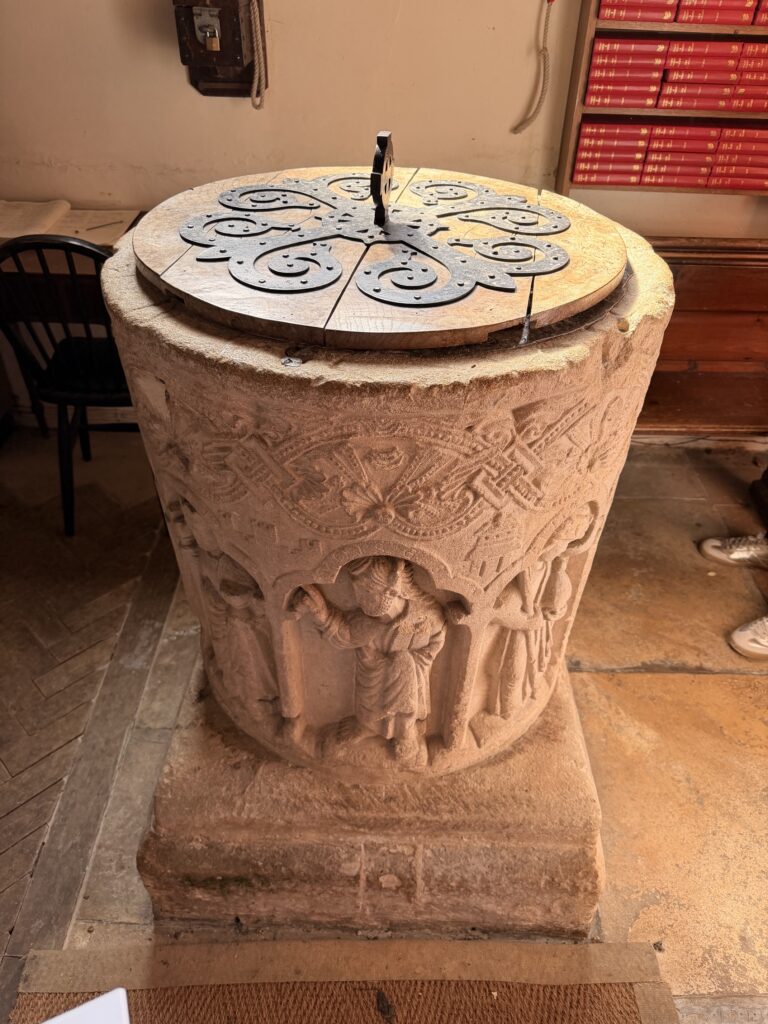
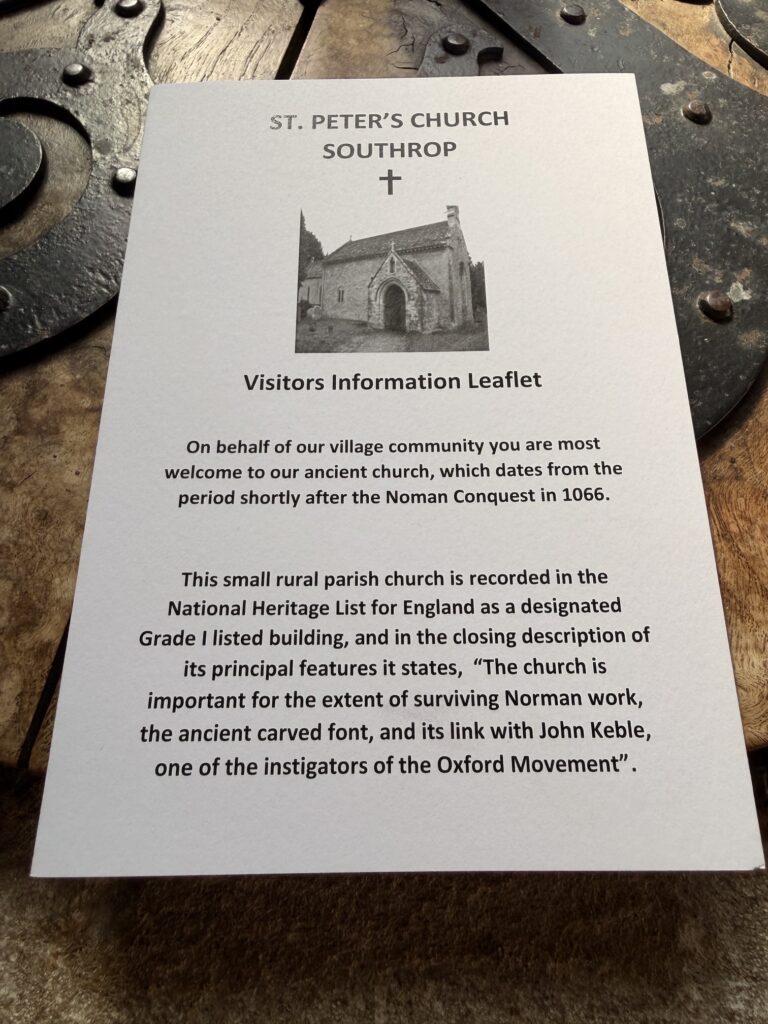
A short stroll from Thyme, past the cottages, sits one of the Cotswolds’ treasured churches. St. Peter’s is a Grade I–listed church dating to the early 12th century (!), and you can still spot Saxon herringbone stonework in its outer walls. Step inside to see the incredible carved font from around 1180, considered one of the great treasures among Cotswold churches. Its eight arches frame figures of the Virtues trampling the Vices underfoot, and each Virtue is named above its figure, while the Vice’s name is carved in reverse.
The font (above and below), which survived in almost near perfect condition, had been tucked away for safekeeping and was rediscovered by John Keble, built into the south doorway, during his time as curate here in 1823–25. The young pupils Keble taught here included John Henry Newman and Hurrell Froude, and their conversations planted the first seeds of the Oxford Movement. It is something I would expect to see in the British museum rather than a village church!